The United States is investigating dozens of cyberattacks on energy tankers and cargo ships, according to the Wall Street Journal as relayed by Sky News Arabia on Tuesday 24 November. The picture is unsettled: sources name Iran as the main suspect, while an administration official says there is no evidence of that.
Scale of the attacks
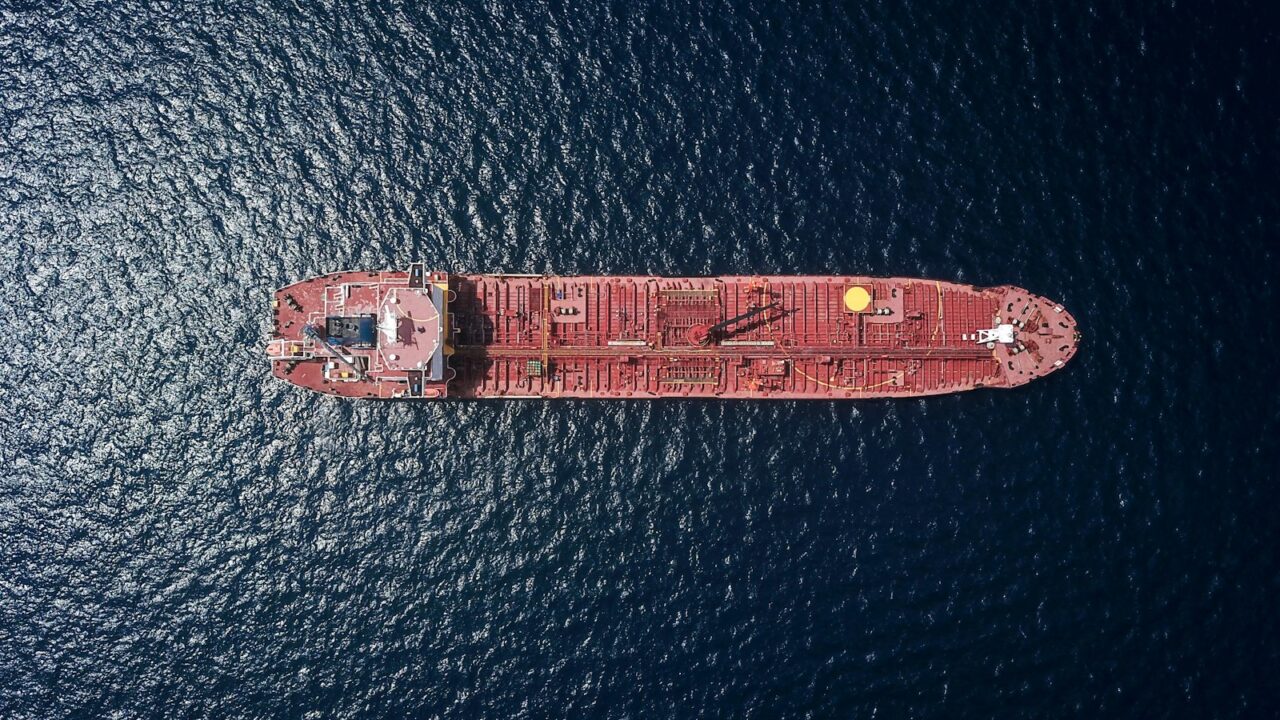
According to the paper, citing US officials and people familiar with the matter, up to 50 vessels carrying oil, chemicals and other explosive materials are believed to have been hit, and some received warnings and threats of being blown up. Sources said other targeted ships operate near Europe and Asia, and some crews were unaware they had been breached. Reuters said it could not verify the report.
Specific cases and threat messages
In September the paper reported on attacks against two ships, VL Prosperity and Kohaku, bound for Texas. The first received what the report described as a “ransom” message posted on a Russian-language Telegram channel used by shippers, accusing the vessel of carrying Saudi oil to US ports “illegally”. Its manager said US authorities carried out a cyber inspection on board and it was allowed to continue operating.
A third ship, Vivit Africa, carrying liquefied natural gas from the United States to Italy, was attacked and tracking data showed it sailing erratic courses off the Italian coast. A European shipowner also said two officers on one of his vessels received phone messages such as “there is no ceasefire” and “we will hunt you around the world”; in other cases Persian-language messages warned against loading US products.
How the breach worked and what experts say
Attackers are exploiting a flaw in Fortinet routers common in the maritime industry, US officials said. The US Coast Guard and the FBI issued an alert in September about state-linked actors exploiting weaknesses in such devices. The Coast Guard has deployed cyber-protection teams to at least four ships approaching US ports in recent weeks.
Alon Ayalon, co-founder of Israel’s Cydome, said ships “have become deliberate targets” in cyber campaigns. Analyst Lars Jensen, by contrast, called the idea of steering a hacked ship into a bridge or detonating it in port unrealistic because vessels have manual controls, though he warned of delays and multimillion-dollar disruption to supply chains.
Who is behind it, and what next
The sources quoted name Iran as the main suspect and authorities are also looking at Russia, but a Trump administration official said the United States had found no evidence of Iranian involvement. The Coast Guard declined to discuss specific attacks and said it encourages shipping firms to report suspected problems and use its free resources; the FBI declined to comment and Fortinet did not respond. The attacks come as Iran continues physical attacks on ships in the Strait of Hormuz, the report said.