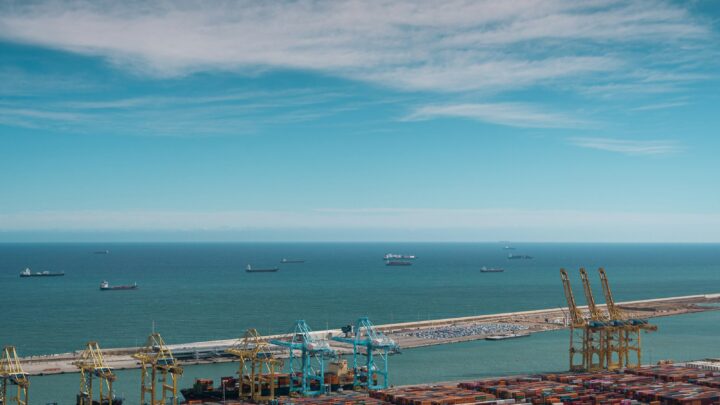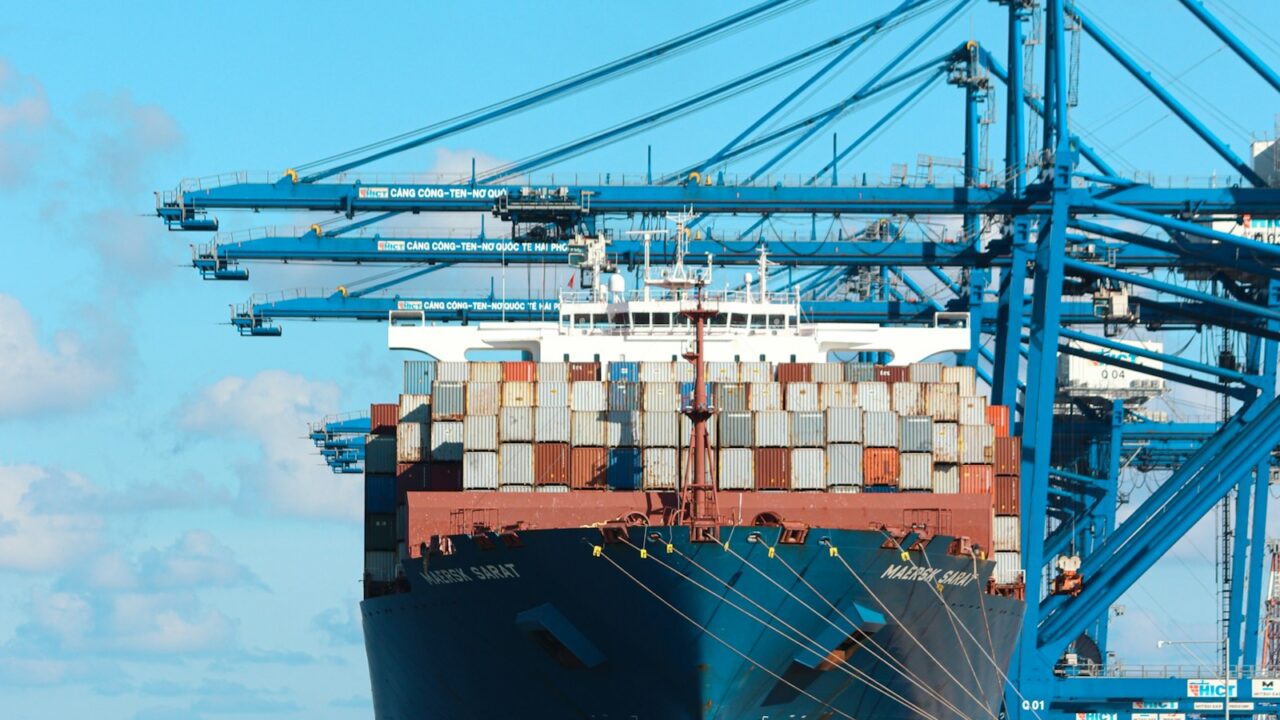
Benghazi, in eastern Libya, saw a series of naval attacks on Sunday 22 November. They began at dawn with an explosion on a Russian ship inside the naval base and continued in the evening with drone-boat attacks off the coast that, according to Libyan sources cited by Sky News Arabia, hit merchant vessels. Here is what is known as of Monday morning, and what remains unconfirmed.
The first attack: dawn on Sunday
The Libyan government emerging from the House of Representatives, headed by Osama Hammad, said preliminary findings suggest a Russian ship moored inside the Benghazi naval base was struck by unmanned vessels. It said the ship was on its way back to Russia and had stopped for fuel and supplies under bilateral naval-facilities agreements. It said the fire was contained and the port and base facilities were secure, without naming the ship or giving the extent of damage.
Sky News Arabia reported that 10 people, including Russians and Libyans, were lightly injured; Reuters cited medical sources as reporting injuries but no deaths. Libyan sources described the vessel as a frigate carrying 90 to 100 personnel and said several drone boats were used, four of which were intercepted. A naval analyst writing for Naval News tentatively identified the ship as the Russian corvette Mercury, an early assessment not confirmed by any official statement.
Evening attacks on merchant ships
That evening two Libyan military sources told Reuters that a Malta-flagged merchant ship was hit by a naval drone off Benghazi and that more than 12 naval drones were intercepted. Russia Today cited military sources saying 21 boats took part in one wave, 17 of which were intercepted. The two figures cannot be added together, as it is unclear whether they refer to the same wave. The Libyan National Army’s naval staff later said the crew of the Maltese ship had been rescued.
Who was behind it?
No party has claimed responsibility, and neither Moscow nor Kyiv had issued an official position on the dawn incident when the first reports appeared. Axios cited an informed source as saying Ukraine’s SBU security service carried out a long-range attack on the Russian ship, but that attribution covers only the dawn incident, not the merchant vessels. Libyan sources told Sky News Arabia that components recovered by the army appear to belong to Ukrainian-made Magura-type boats fitted with Starlink links and suggested they launched from the Misrata naval base; none of this could be independently verified.
Official positions
The House-backed government stressed that Libya is not a party to the Russia-Ukraine war and rejected turning its ports into a venue for settling scores, and ordered an investigation in coordination with the Russian authorities. The House of Representatives echoed this, while the UN Support Mission in Libya voiced deep concern and stressed respect for Libyan sovereignty, amid calls for an independent international investigation. Libyan media quoted Russia’s ambassador to Libya, Aydar Aganin, as saying Moscow is weighing its response.
What next?
Attention now turns to the joint investigation announced by the Libyan authorities, any official Russian or Ukrainian statement, and the effect on Russia’s use of eastern Libyan ports for resupply. The damage to the merchant ships and the identity of all the vessels hit remain unclear, and the circulating accounts will stay unverified until official bodies say more.