After Ukrainian President Volodymyr Zelensky said his country was behind the strike on two Russian ships in Benghazi, the debate moved from the details of the attack to a wider question: why Libya specifically, and has it become a new arena of confrontation between Moscow and Kyiv? This report sets out what Sky News Arabia published in its Monday analysis, leaving aside the attack details we covered yesterday.
What is new in the account
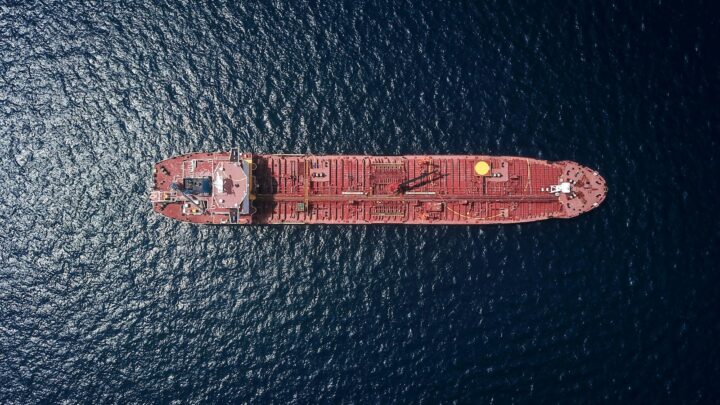
Zelensky said the strike targeted two Russian vessels, one of them the naval vessel Mercury, using seven naval drones. According to the Associated Press, Libyan military officials, citing a preliminary investigation, said the drones were launched from a base run by Ukrainian forces in western Libya, and satellite images showed severe damage to the Russian vessel.
Why Libya?
The report points to Libya’s position on the southern Mediterranean, its proximity to shipping lanes between Europe and North Africa, and its role as a logistics corridor toward the Sahel. A study by the Center for Strategic and International Studies in Washington, published in April, says Libya has become one of Russia’s main hubs in Africa alongside Mali and the Central African Republic, especially after the changes in Syria in 2024.
Claudia Gazzini, a senior Libya analyst at the International Crisis Group, told the outlet that the presence of Russian ships stationed in the east, one a warship and one a cargo vessel, gave Ukraine the opportunity, and that their arrival in eastern Libya has been known for years despite denials by authorities in the east. She said Zelensky’s statement that his country can reach anywhere “from Siberia to the Libyan coast” reveals the aim, and that it was the first time Ukraine had carried out such an attack in the Mediterranean.
Has Libya become a new war zone?
Gazzini ruled that scenario out, explaining that the country’s split into two governments and two military alliances does not mean they are at war with each other, and that both sides are in talks on revenue sharing and a political settlement. She warned against reducing the picture to Tripoli lining up with Kyiv and Moscow in the other camp, noting that Moscow also has commercial ties with Tripoli and that Libya’s importance to Russia is relative, mainly as a logistics hub supporting the Sahel. She added that reports of Ukrainian troops in the west do not necessarily mean they carry out or plan the attacks.
By contrast, Libyan analyst Kamal al-Marash argues the country has become an open arena, citing an agreement he said the Dbeibah government signed with Kyiv in October 2025 to bring in 250 Ukrainian personnel to train its forces on drones. That account reflects his view and we have not verified it independently.
What to expect
The report gives no official timetable for any follow-up. The assessments it carries are analysts’ own: Gazzini expects Tripoli to handle with caution any request for authorisation to launch a direct attack on Russian assets from its territory, while al-Marash expects Russia to respond militarily, including by targeting sites from which attacks are launched, and says the continued presence of Ukrainian personnel at military sites in the west could mean further attacks.