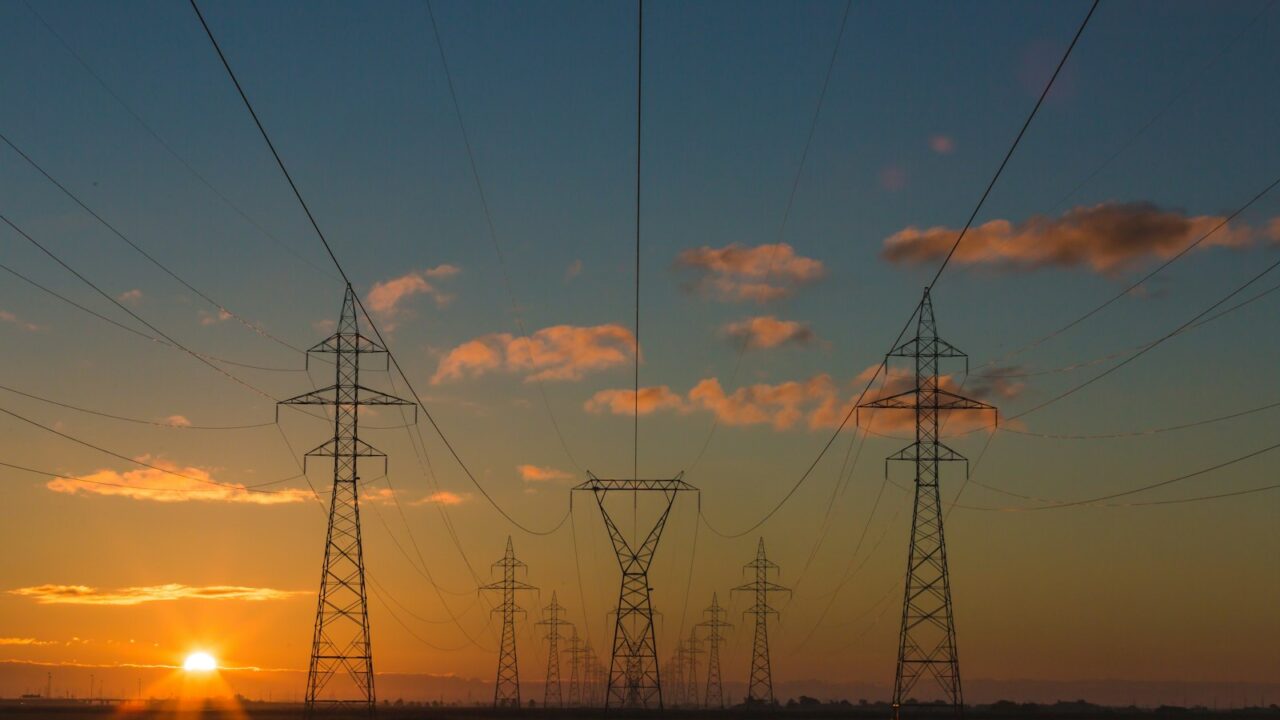
Iran began rolling power cuts to homes and businesses on Sunday 22 November because of a shortage of fuel for power stations, while President Masoud Pezeshkian and parliament speaker Mohammad Bagher Qalibaf called for an end to the ‘no war, no peace’ state, Sky News Arabia reported. This report explains the background and what has been said officially.
What has been decided?
Mohammad Allahdad, head of Iran’s national electricity company, told state television on Saturday that fuel supply conditions require restrictions on power distribution from 22 November, and that the length and frequency of outages will vary by region. The cuts are expected to last about two hours every two days in some areas and may reach two hours a day in others, depending on supply and each region’s needs. He said the restrictions aim to manage limited fuel supplies and keep the national grid stable.
Why now?
The decision coincides with the approach of winter and expected higher demand for gas used for heating, adding pressure on supplies available to power stations, according to Iran International. Allahdad said gas production remains below last year’s levels. President Pezeshkian had said, according to the ISNA agency, that US and Israeli strikes on energy infrastructure worsened supply problems and that Iranians should expect hardship in winter. Iran has resorted to similar measures in past years, and repeated outages have caused public discontent.
‘No war, no peace’
Pezeshkian urged an exit as soon as possible from the ‘no war, no peace’ state, saying its continuation harms the country and entrenches uncertainty. Qalibaf also called on Sunday for leaving this state, warning against the status quo and saying that achieving what he called ‘sustainable deterrence’ is the way to keep the danger of war away from his country. The remarks as relayed gave no detail of a specific path out.
Regional dimensions
These developments come amid continuing regional tension: the UAE on Sunday condemned what it called a renewed Iranian attack on Bahrain, while Trump said he had predicted escalating Iranian attacks after the midterm elections. In energy markets, Bloomberg said export disruptions caused by the war between the United States and Iran had drained European gas stocks, linking Iran’s domestic crisis more broadly to the global energy market.
A regional warning
Regionally, Anwar Gargash, diplomatic adviser to the UAE president, said on Sunday that alongside the war with Iran and the hot fronts drawing attention, a parallel geopolitical competition no less dangerous is taking shape, Sky News Arabia reported. The remark is not directly tied to power rationing in Iran, but it reflects regional concern over the continuing tension with no resolution.
What next?
Attention turns to how far the outages widen as winter advances, and to any official steps that turn Pezeshkian’s and Qalibaf’s appeals into a political or diplomatic track. The scale of damage to energy infrastructure and the date for restoring output were not given in the available sources.