About 55 days before the presidential election set for 16 January 2027, campaigning in Africa’s most populous country revolves around three issues, according to what Sky News Arabia relayed from Nigerian political analyst Philip Ebitoi and monitoring groups: the economic crisis, rising terrorism and election violence. This report presents the picture as these sources have recorded it.
Fuel at the heart of the contest
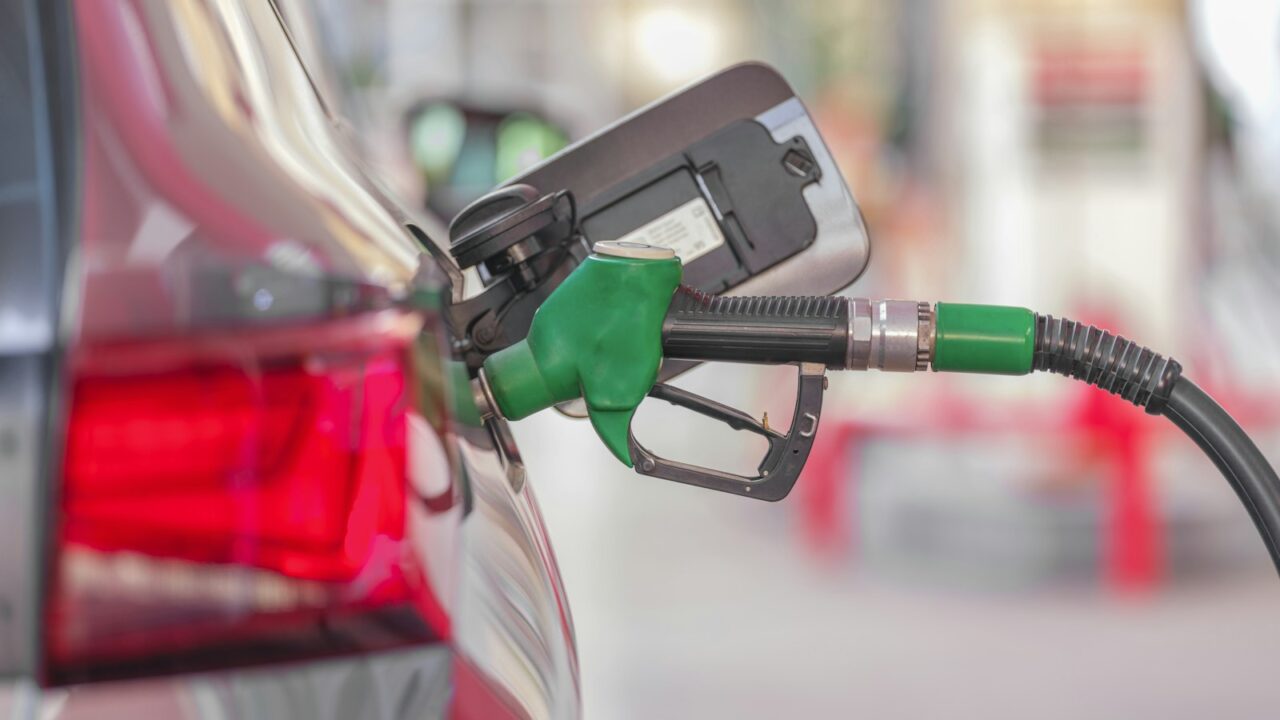
Ebitoi sees the dispute among three leading candidates over fuel subsidies as a significant factor in deciding the election, and says price rises that peaked because of the Middle East war and disruption in the Strait of Hormuz will deeply affect voters. Pump prices have exceeded 1,400 naira in various areas since March.
Atiku Abubakar and Peter Obi, the main challengers to President Bola Tinubu, pledged to reverse his policies and restore fuel subsidies. Tinubu, for his part, renewed his commitment to ending the subsidy and to the relief programme he announced in his inaugural speech on 29 May 2023, acknowledged that his reforms caused “temporary” hardship and promised the next phase would bring prosperity. Abubakar accused him in a 7 November statement of worsening poverty, and Obi said he pushed about 16 million Nigerians into extreme poverty this year.
The field
Alongside Tinubu, 18 candidates are running, including former vice-president Atiku Abubakar of the African Democratic Congress, who faces a major legal hurdle, Peter Obi of the National Democratic Congress, and Siyi Makinde of the People’s Alliance.
The spectre of election violence
In under ten weeks since the campaign began on 19 August, the National Peace Committee recorded 109 violations of an accord it signed with parties and candidates; the African Democratic Congress did not sign, protesting what it called the process’s failure to tackle violence effectively. The Kimpact Development Initiative said it has logged more than 240 cases of election violence that killed more than 30 people since January.
On 13 November Tinubu’s convoy was pelted with stones by protesters and 78 suspects were arrested, and other party events were attacked in several states, amid mutual accusations of mobilising youths to disrupt campaigns.
Terrorism and insecurity
According to the group Sari Global, deaths from terrorist attacks rose 42% in October compared with September, with 221 incidents by non-state armed groups. The Open Watch platform recorded 20 kidnappings and nine incidents classed as terrorist between 9 and 15 November, causing 74 deaths, and 106 security incidents across 33 states. The threat is no longer confined to the north-east where Boko Haram and Islamic State West Africa are active, but has spread to other regions.
What comes next
The fixed date is 16 January 2027. Ebitoi says the vote will not only decide who occupies the presidential villa but reveal how Nigerians choose to confront some of the most consequential issues in their lives, while observers say the next president will inherit an economy undergoing painful reforms, an increasingly disaffected youth and continuing insecurity.