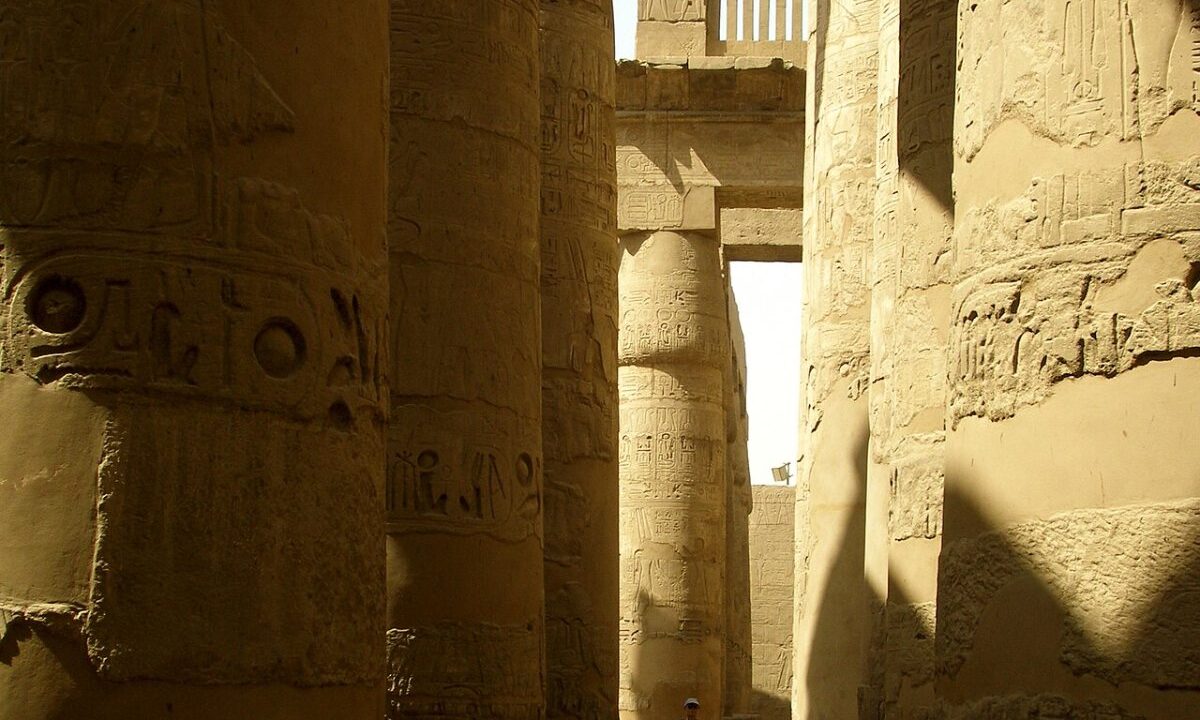
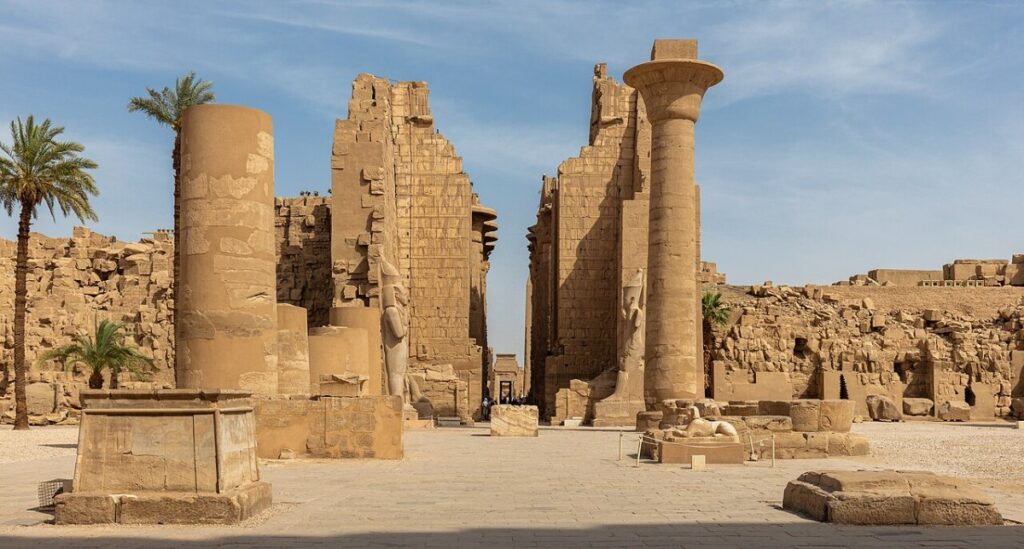
The Great Hypostyle Hall at Karnak (file photo) — Photo: Vyacheslav Argenberg / Wikimedia Commons (CC BY 4.0)
As the winter solstice approaches on 21 December, Luxor prepares for one of its most beautiful astronomical events, when the Sun rises along the main axis of the Temple of Amun-Ra at Karnak and its rays pass through the gateways towards the sanctuary, drawing visitors and enthusiasts of ancient Egyptian astronomy.
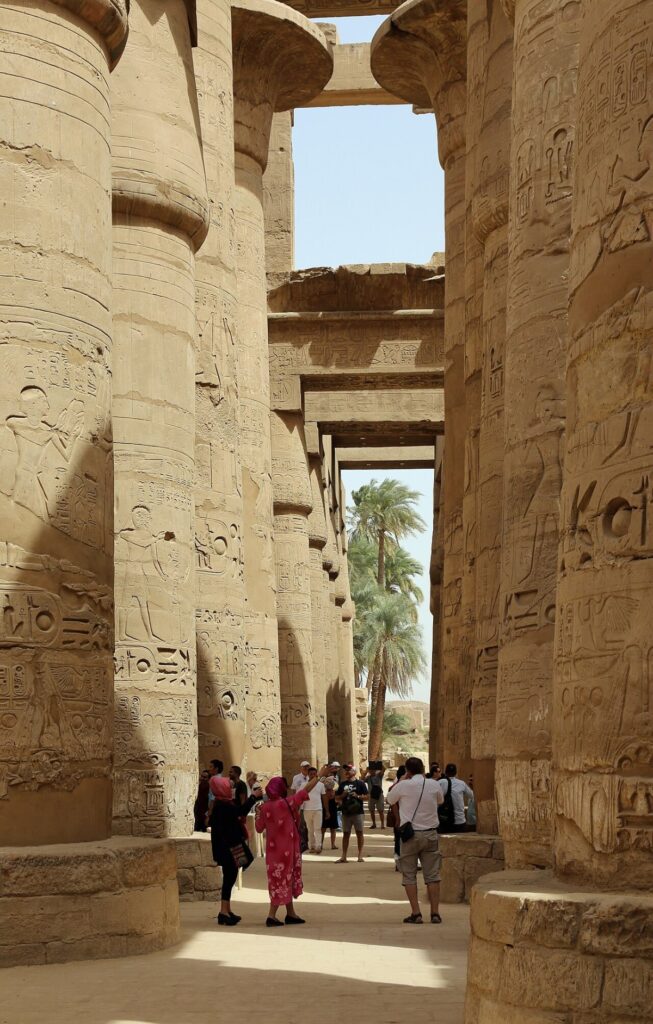
Karnak is the largest religious complex of the ancient world, with kings adding temples, pylons and obelisks over some 2,000 years. The Great Hypostyle Hall has 134 columns over about 5,000 square metres, its central columns rising to about 21 metres, built under Seti I and Ramesses II.
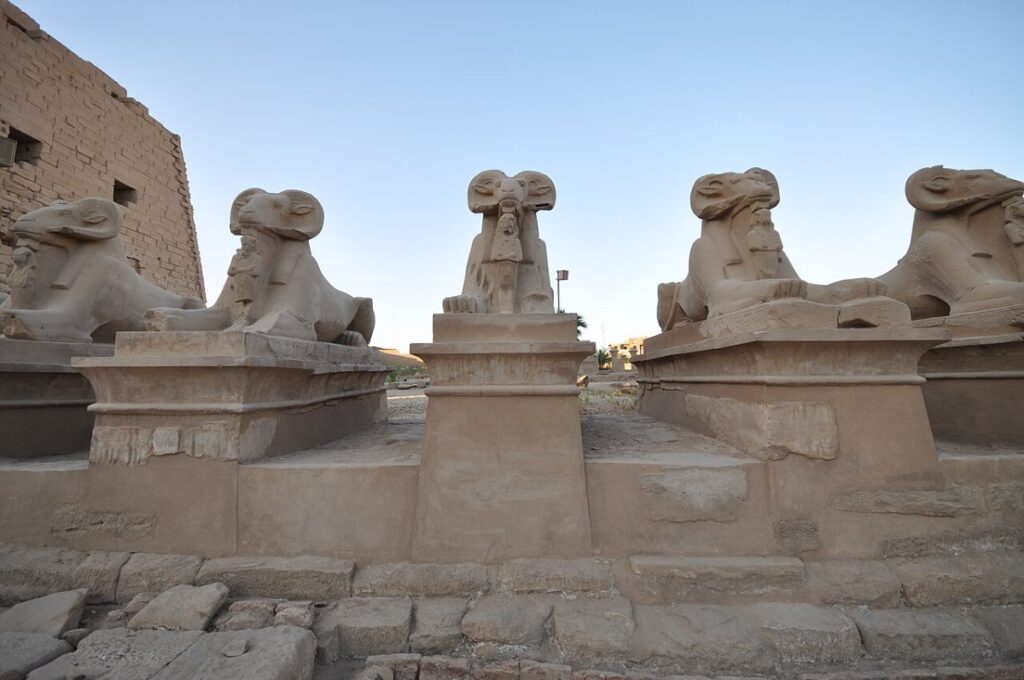
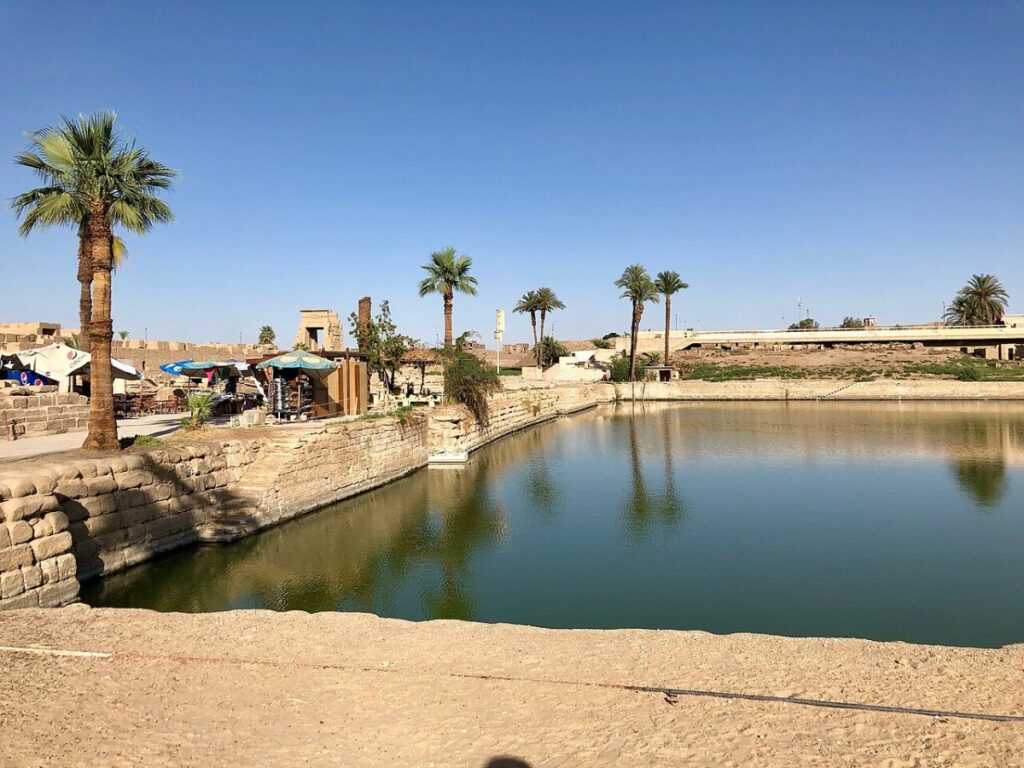
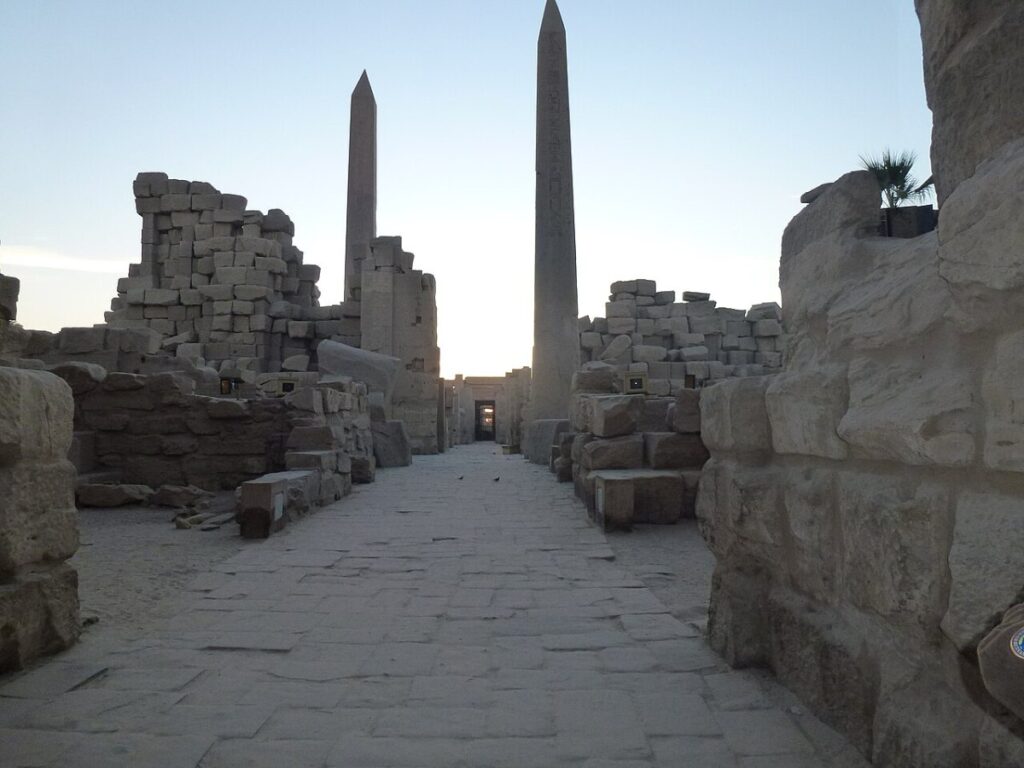
Columns of the Great Hypostyle Hall — Photo: Marc Ryckaert / Wikimedia Commons (CC BY-SA 4.0)The avenue of ram-headed sphinxes to the first pylon — Photo: Jorge Láscar from Melbourne, Australia / Wikimedia Commons (CC BY 2.0)The Sacred Lake at Karnak — Photo: Warren LeMay from Chicago, IL, United States / Wikimedia Commons (CC0)A view of the Karnak temples — Photo: Diego Delso / Wikimedia Commons (CC BY-SA 4.0)Obelisks at sunrise — Photo: GGuilhem7 / Wikimedia Commons (CC BY-SA 4.0)
The Avenue of Sphinxes links Karnak with Luxor Temple over about 2.7km and reopened after restoration in a global ceremony in 2021, while the Sacred Lake recalls the purification rites performed by priests.