In pictures | Beirut between Raouche Rock and Martyrs’ Square: a city awaiting a new reconstruction plan
The World Bank is preparing a five-year partnership framework and Qatar an energy offer; images of the seafront and the historic centre, then and now
A photo album of Beirut from Raouche Rock to Martyrs' Square, as the World Bank prepares a new partnership framework for Lebanon's recovery and reconstruction.
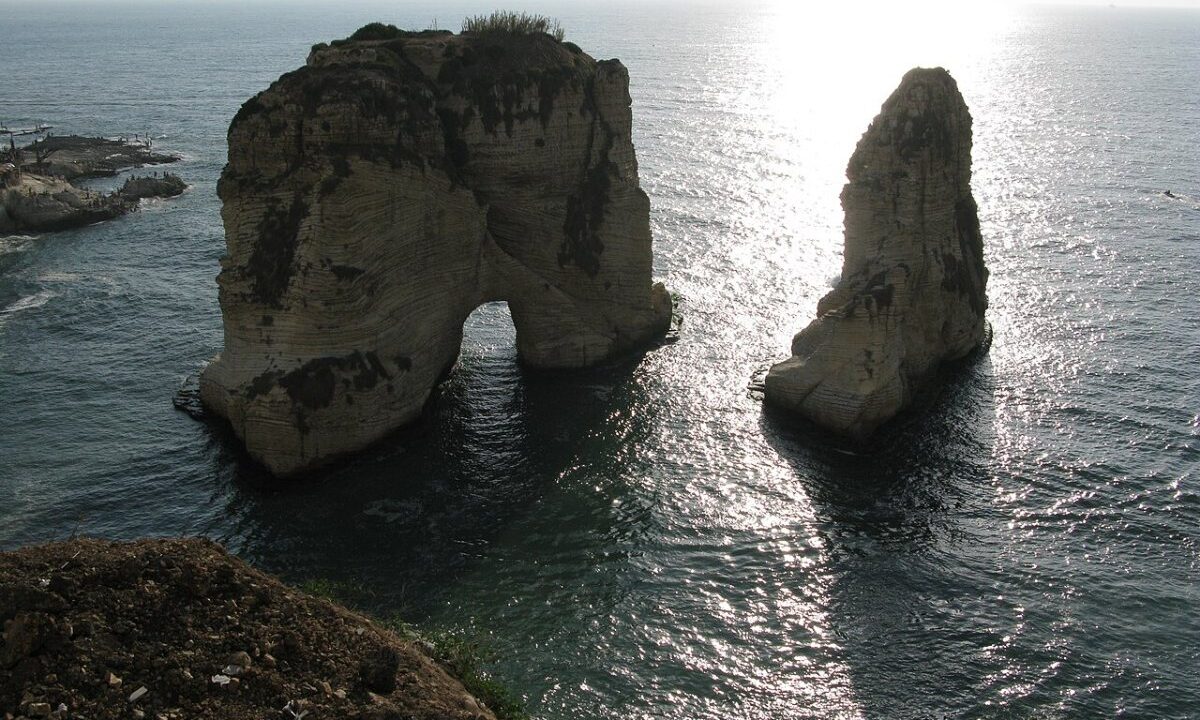
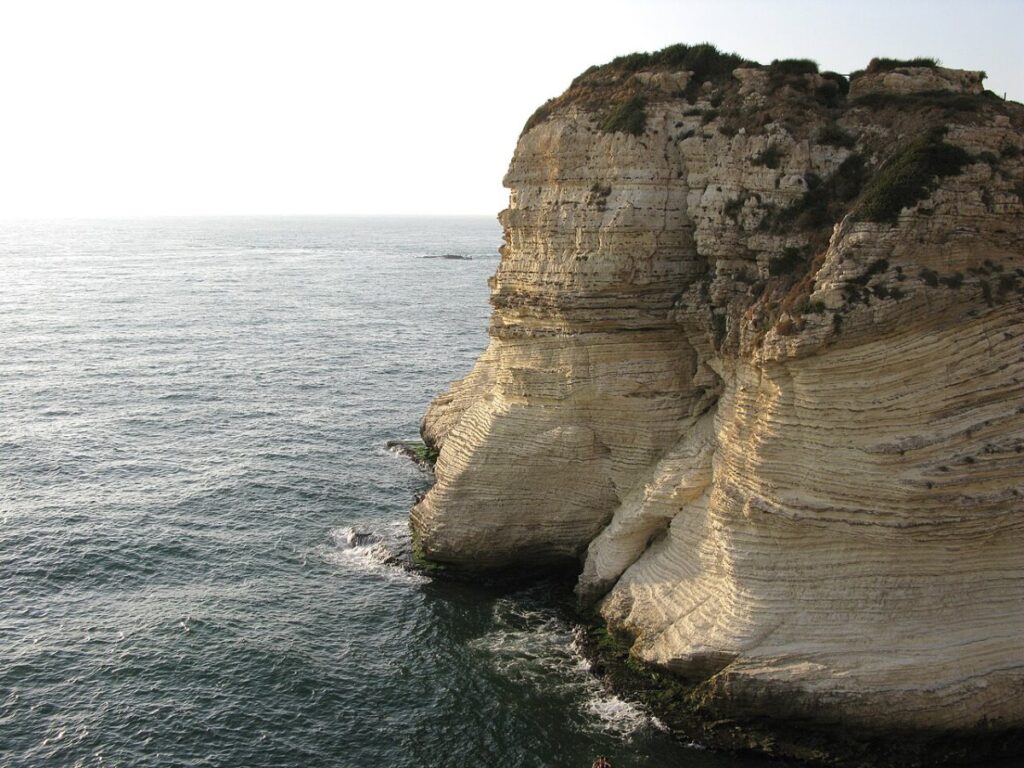
Raouche Rock in Beirut (file photo) — Photo: Vyacheslav Argenberg / Wikimedia Commons (CC BY 4.0)
As the World Bank prepares a new partnership framework with Lebanon for the next five years to support recovery and reconstruction, and talks advance on an energy deal with Qatar, Beirut remains a mirror of the country’s swings: a city that rises again and again from wars and crises.
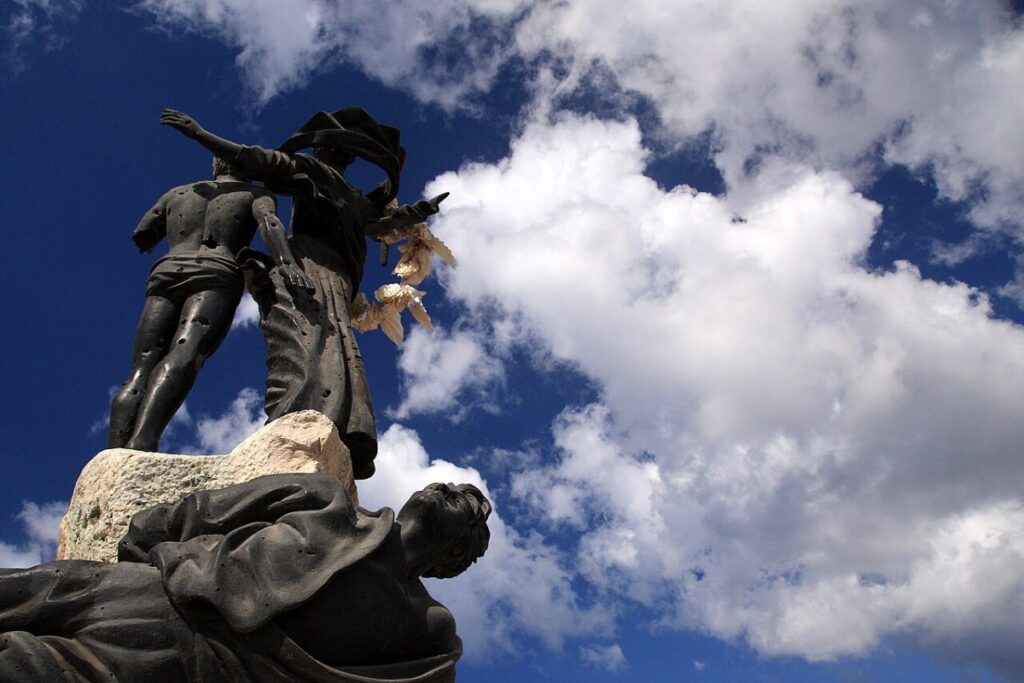
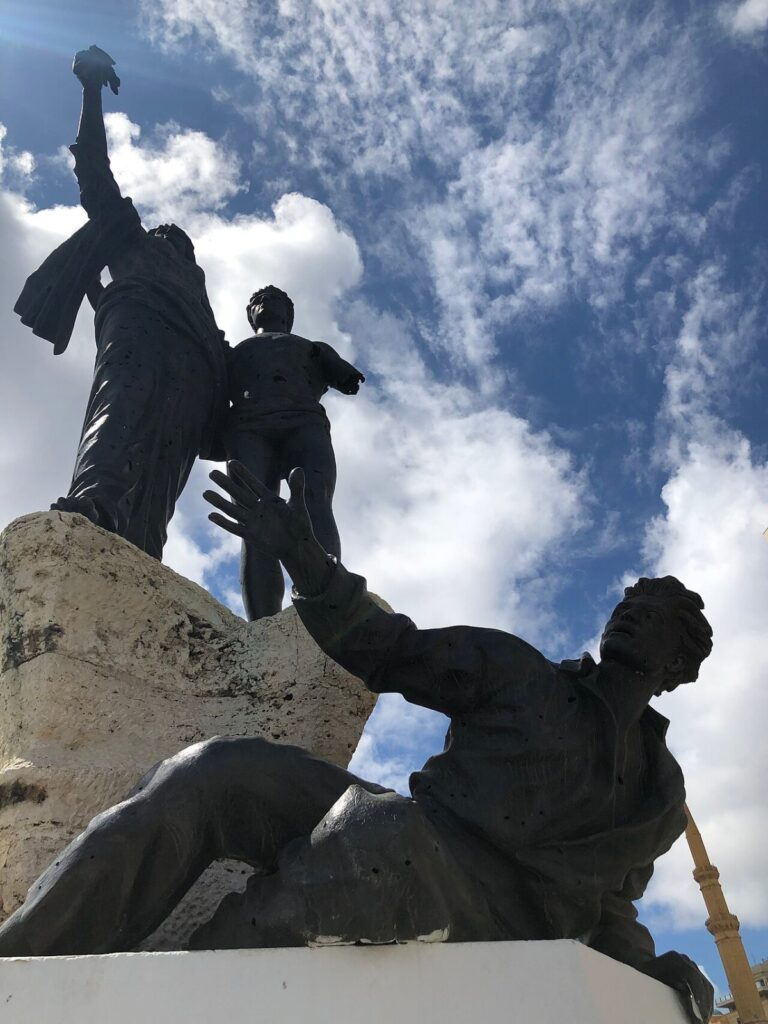
Raouche, or Pigeon Rock, is the best-known landmark of the seafront, while Martyrs’ Square has been the commercial and political heart of the city since the 19th century, home to the Martyrs’ Monument commemorating those executed in 1916 under Ottoman rule, which still bears the scars of the civil war.
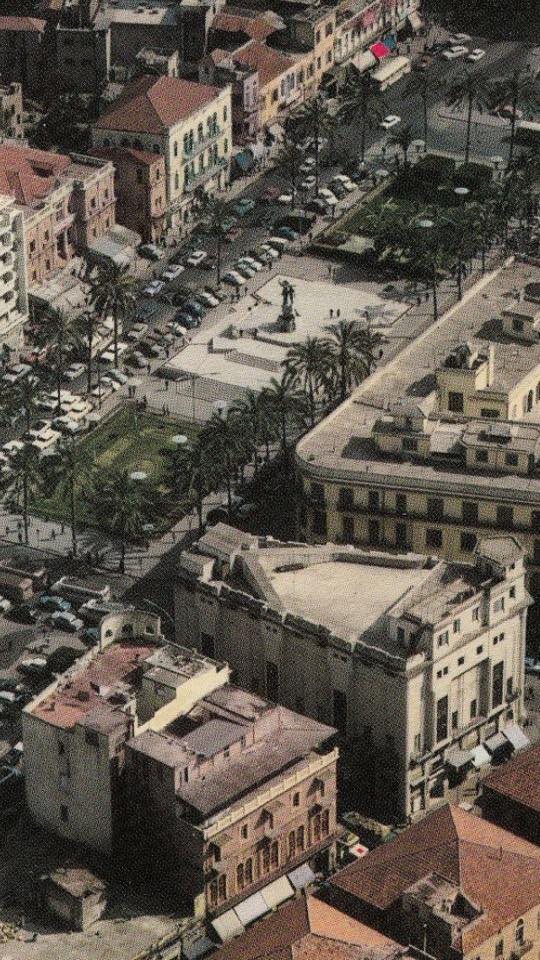
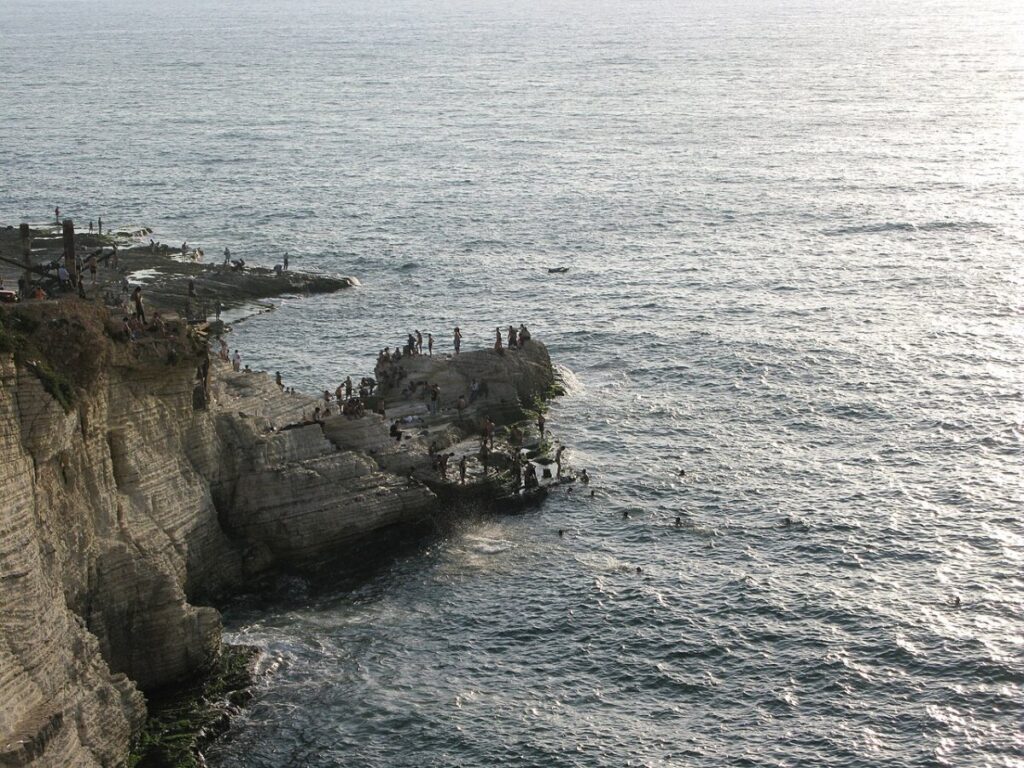
Martyrs’ Square in downtown Beirut — Photo: yeowatzup / Wikimedia Commons (CC BY 2.0)The Martyrs’ Monument — Photo: Laura C Ellis / Wikimedia Commons (CC BY-SA 4.0)Martyrs’ Square in 1966 — Photo: Wikimedia Commons / Wikimedia Commons (public domain)Cliffs along the seafront — Photo: Vyacheslav Argenberg / Wikimedia Commons (CC BY 4.0)The Mediterranean from Beirut — Photo: Vyacheslav Argenberg / Wikimedia Commons (CC BY 4.0)
Old photos of the square in the 1950s and 1960s recall a time when Beirut was called the ‘Paris of the East’, a reminder of what the centre could become again if reconstruction goes hand in hand with reform.