Breaking
Follow the latest developments around the clock
Photos

In pictures | Sayyida Nafisa Mosque during her mawlid nights: ‘Nafisa of knowledge’, welcomed by Egyptians in 193 AH

Sufi dhikr circles until the closing night on Wednesday 18 November, and the story of al-Hassan's descendant and Imam al-Shafi'i

A photo album of Sayyida Nafisa Mosque in Cairo as celebrations of her mawlid conclude on Wednesday 18 November.

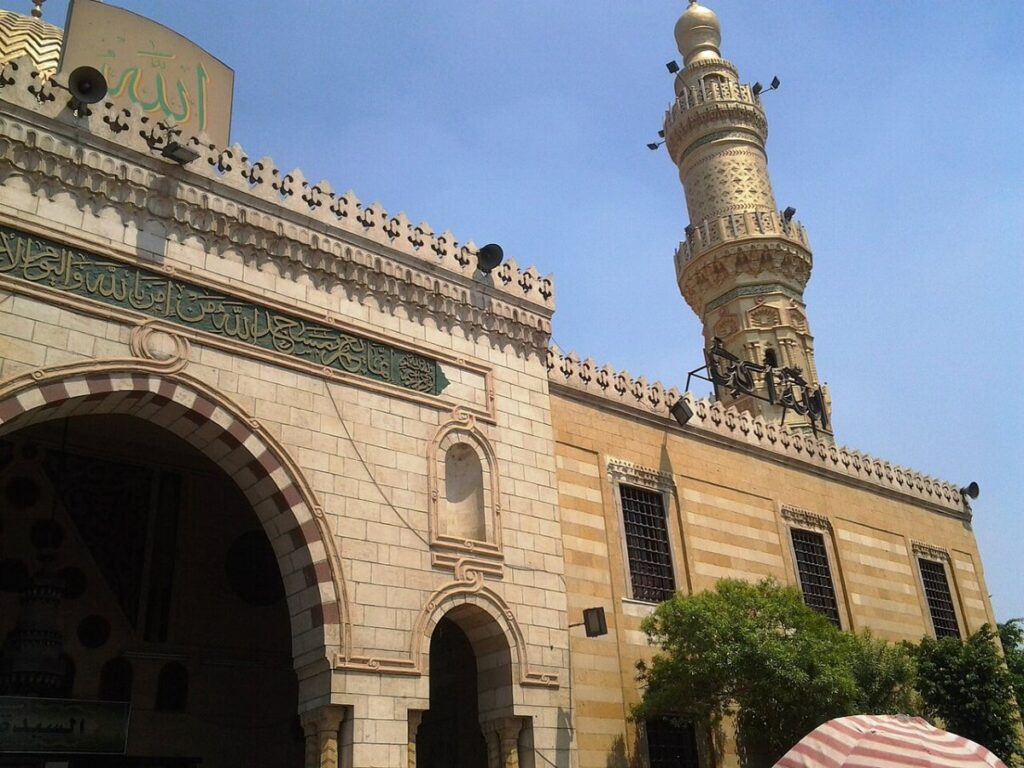
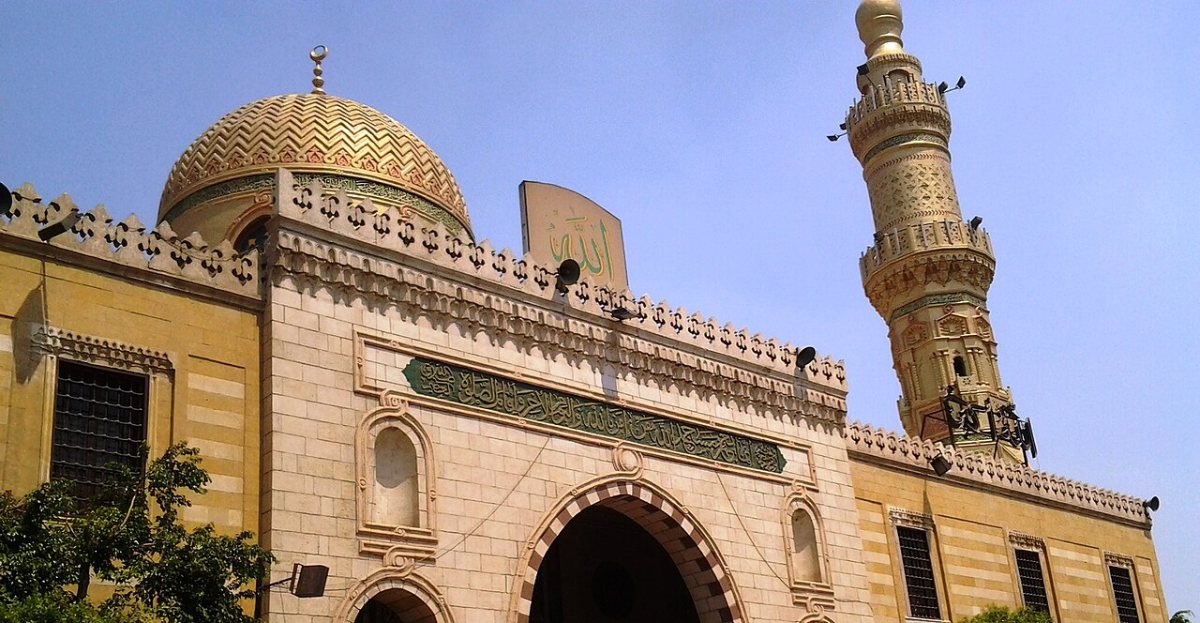
Sayyida Nafisa Mosque from outside
Sayyida Nafisa Mosque from outside (file photo) — Photo: لا روسا / Wikimedia Commons (CC BY-SA 3.0)

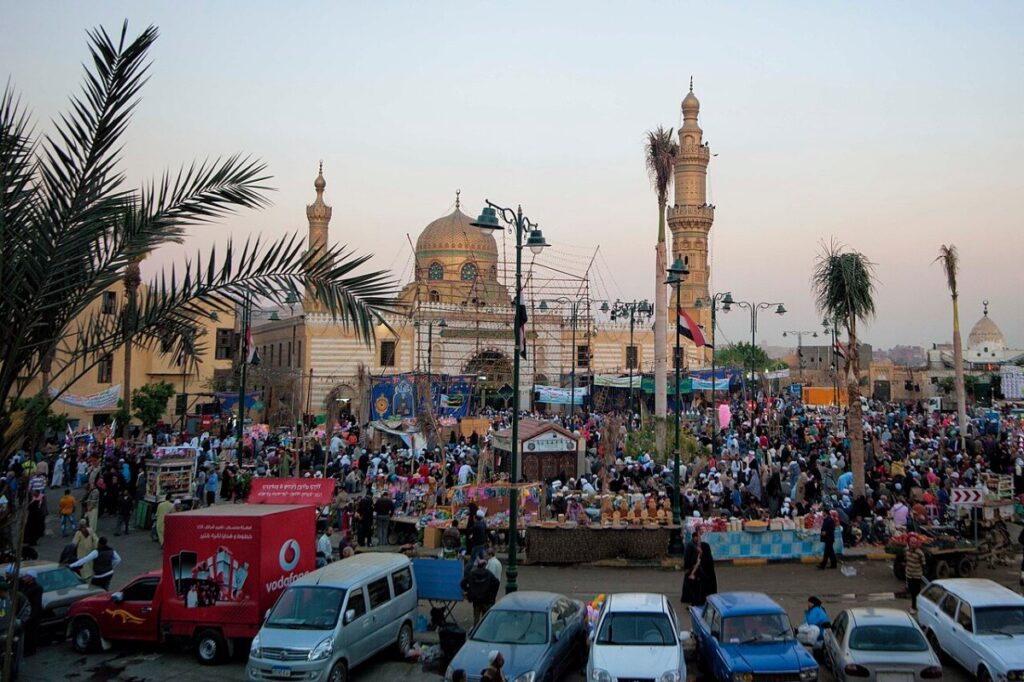
Egyptians continue to celebrate the mawlid of Sayyida Nafisa, with Sufi orders holding dhikr circles at her mosque in Cairo as visitors arrive from across the country and food and drinks are handed out, until the closing night on Wednesday 18 November, with stepped-up security and services around the square.

Sayyida Nafisa was the daughter of al-Hasan al-Anwar, a descendant of al-Hasan ibn Ali. Born in Mecca in 145 AH and raised in Medina, she became known for scholarship and devotion, earning the title ‘Nafisa of knowledge’. She arrived in Egypt in Ramadan 193 AH, where her home became a destination for students, and biographies recount Imam al-Shafi’i’s ties with her.
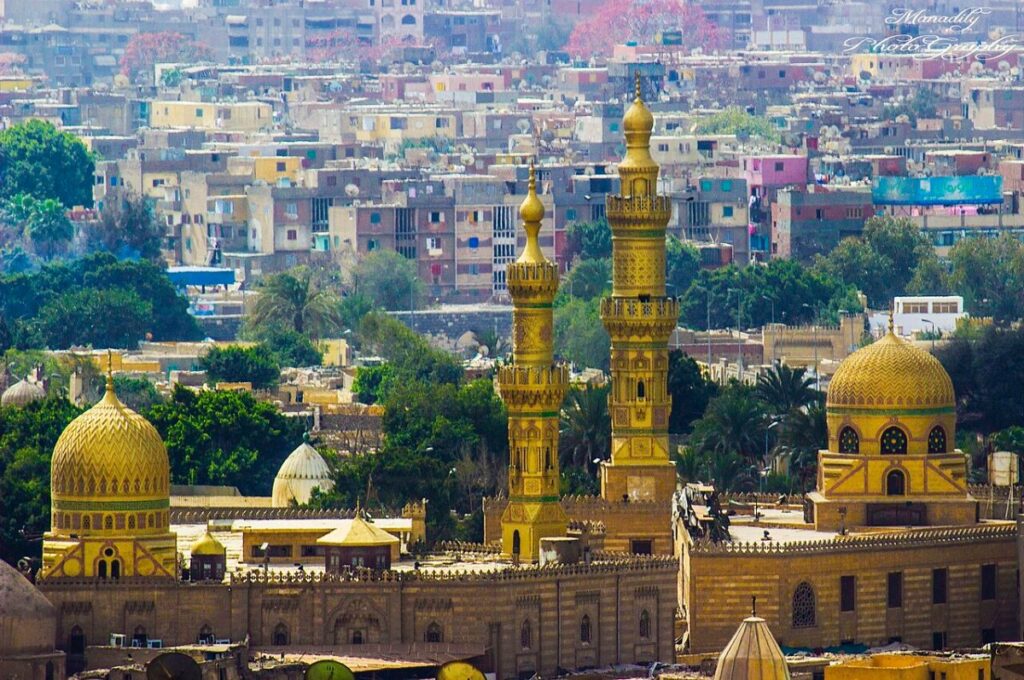
The mosque seen from the Citadel
The mosque seen from the Citadel — Photo: Manadily / Wikimedia Commons (CC BY-SA 4.0)
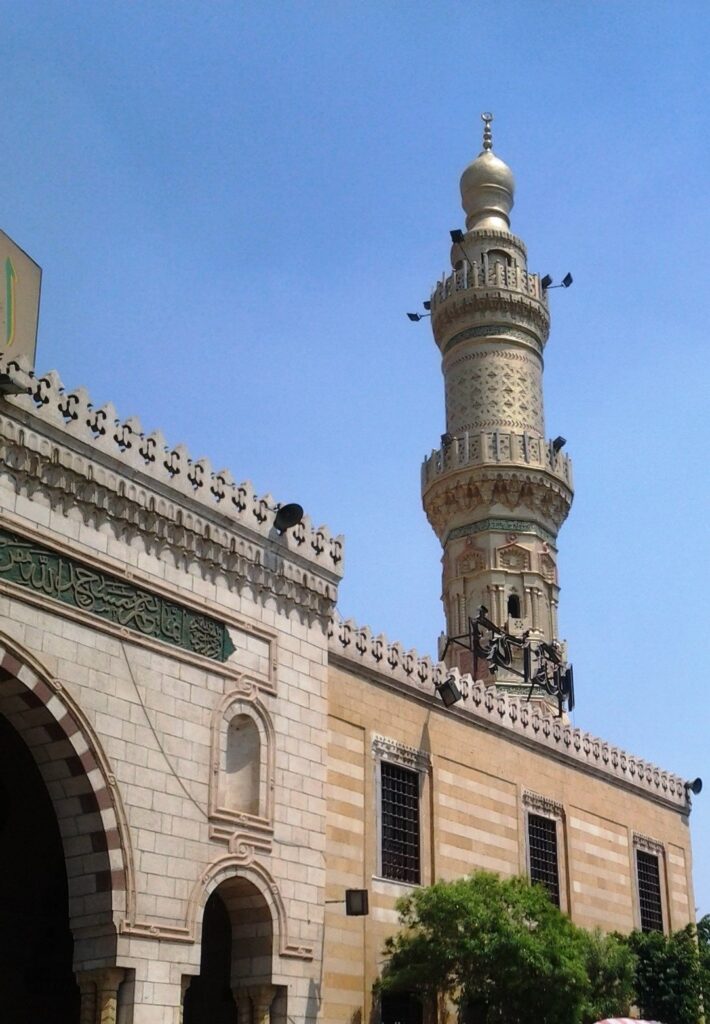
The minaret of Sayyida Nafisa Mosque
The minaret of Sayyida Nafisa Mosque — Photo: لا روسا / Wikimedia Commons (CC BY-SA 3.0)
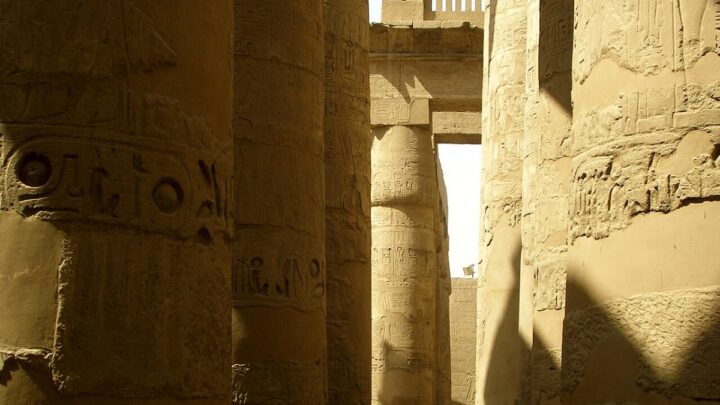
Inside the mosque
Inside the mosque — Photo: لا روسا / Wikimedia Commons (CC BY-SA 3.0)
Sayyida Nafisa Mosque in Cairo
Sayyida Nafisa Mosque in Cairo — Photo: Mohamed kamal 1984 / Wikimedia Commons (CC BY-SA 4.0)
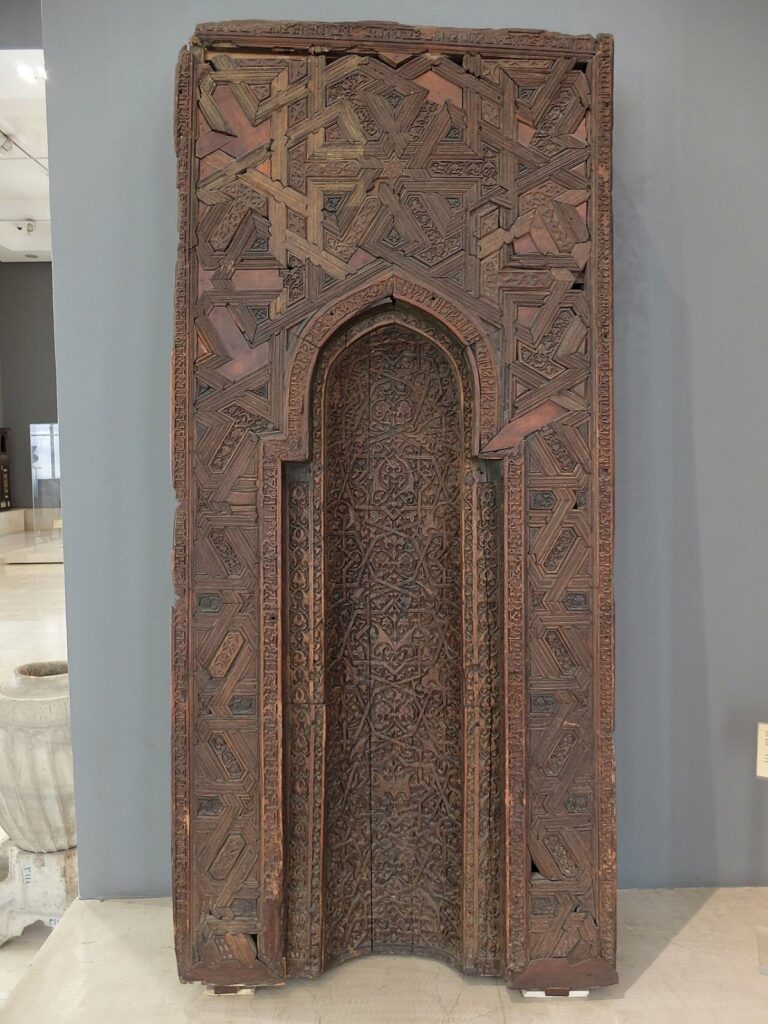
The portable wooden mihrab from the mosque at the Museum of Islamic Art
The portable wooden mihrab from the mosque at the Museum of Islamic Art — Photo: R Prazeres / Wikimedia Commons (CC BY-SA 4.0)

The mosque lies in al-Khalifa district on the ‘Path of the Prophet’s Family’ in historic Cairo and has undergone comprehensive renovation in recent years, while the Museum of Islamic Art holds a rare portable wooden mihrab from the mosque.

Photos: Wikimedia Commons