In pictures | The Leonids peak these nights: from the 1833 ‘storm’ that stunned America to images from space
Among the fastest known meteors at about 71km per second; debris from comet Tempel-Tuttle lights up November skies every year
A photo album of the Leonid meteor shower, which peaks in mid-November, from illustrations of the famous 1833 storm to modern images from the ground and space.
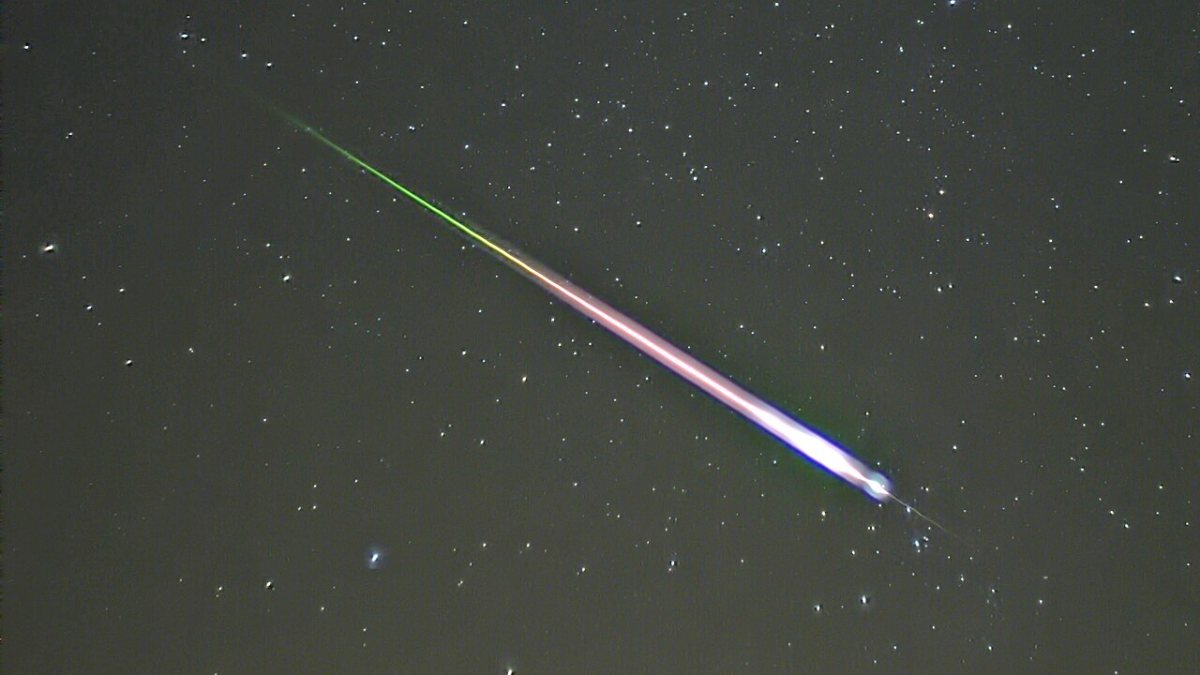
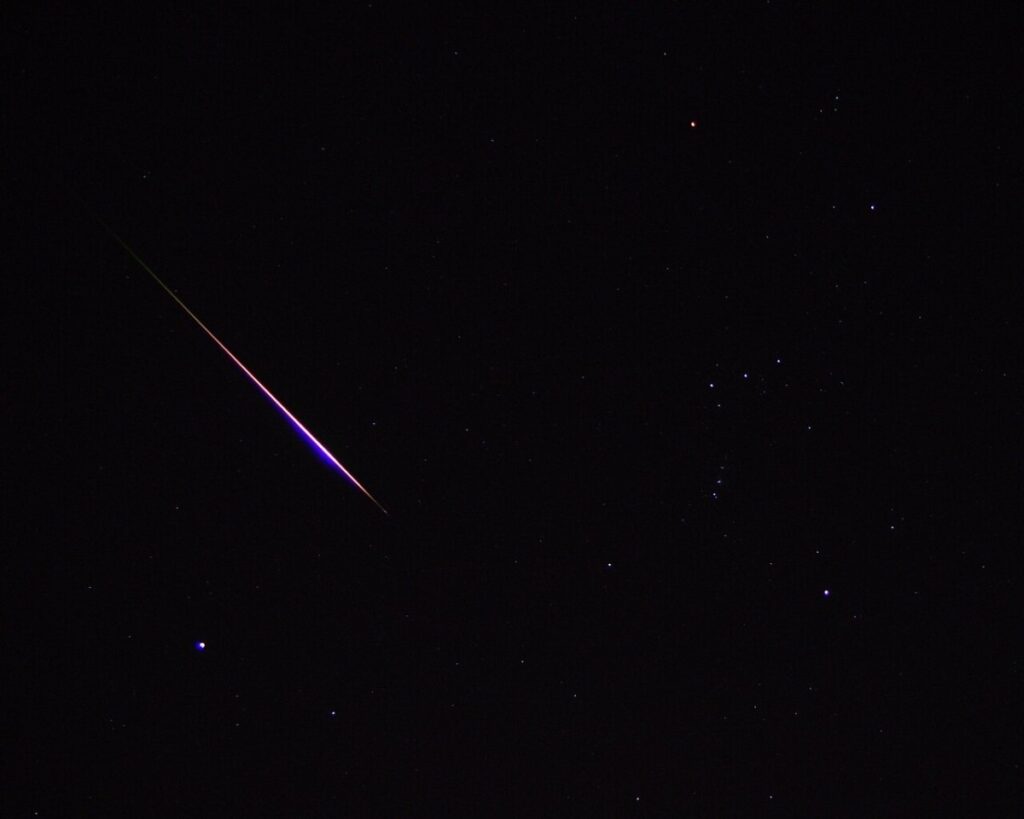
A Leonid meteor (file photo) — Photo: Navicore / Wikimedia Commons (CC BY 3.0)
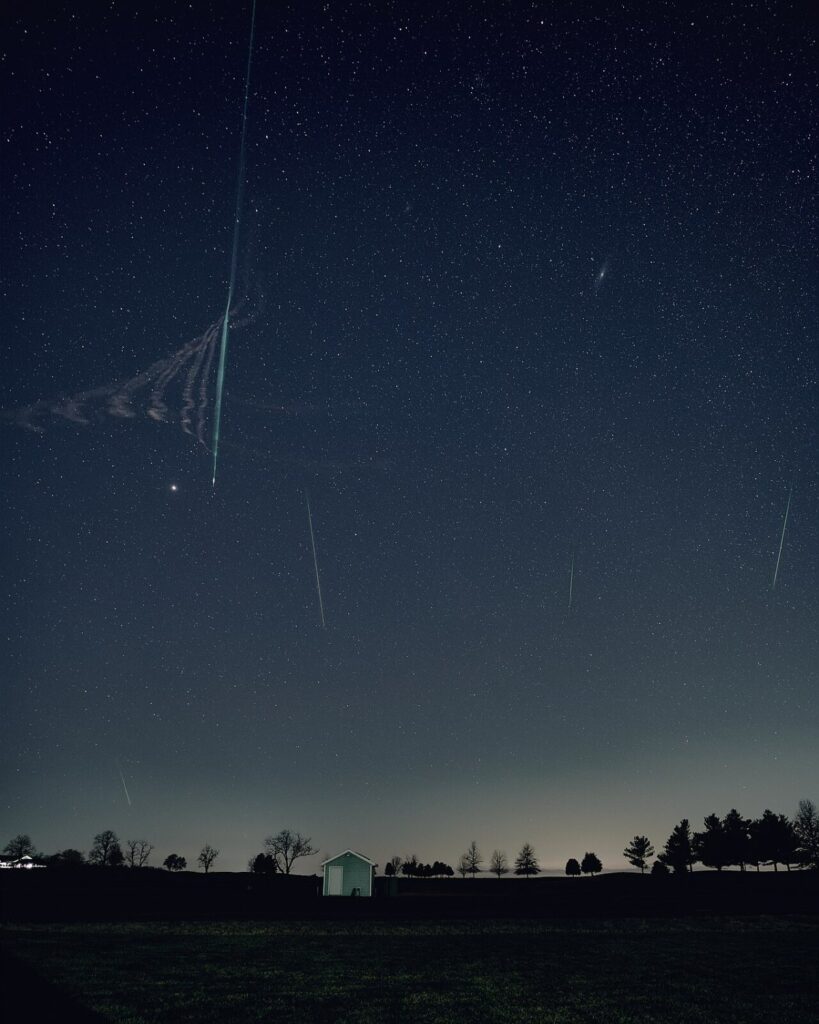
The Leonid meteor shower peaks in mid-November each year, when Earth passes through debris from comet 55P/Tempel-Tuttle, which orbits the Sun about every 33 years, and tiny particles burn up in the atmosphere, leaving streaks that appear to radiate from the constellation Leo.
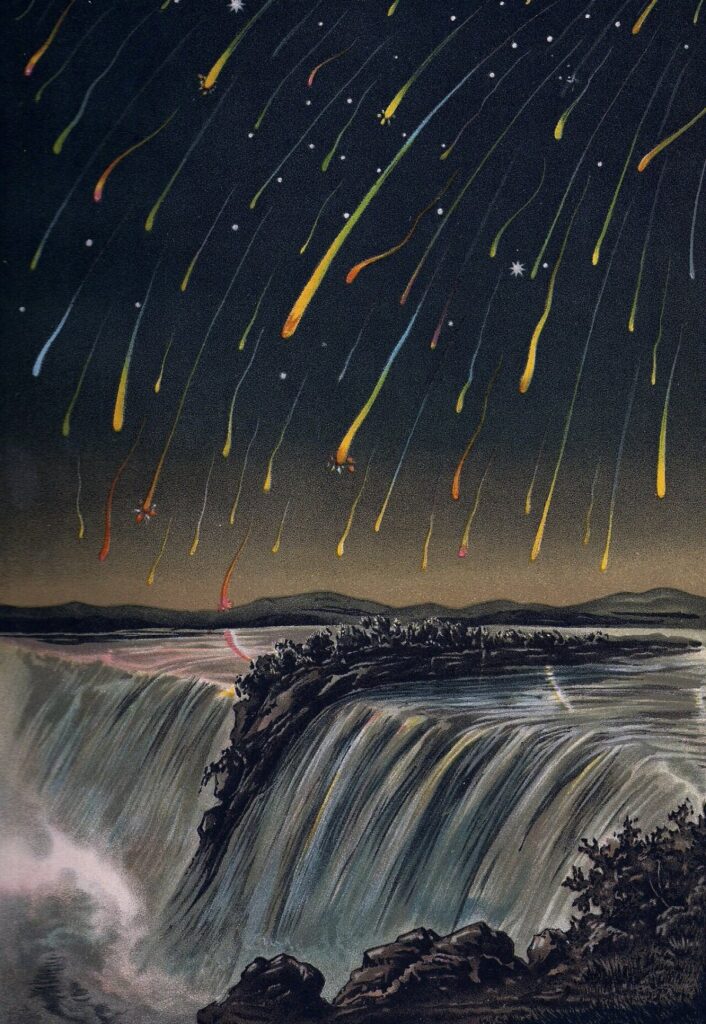
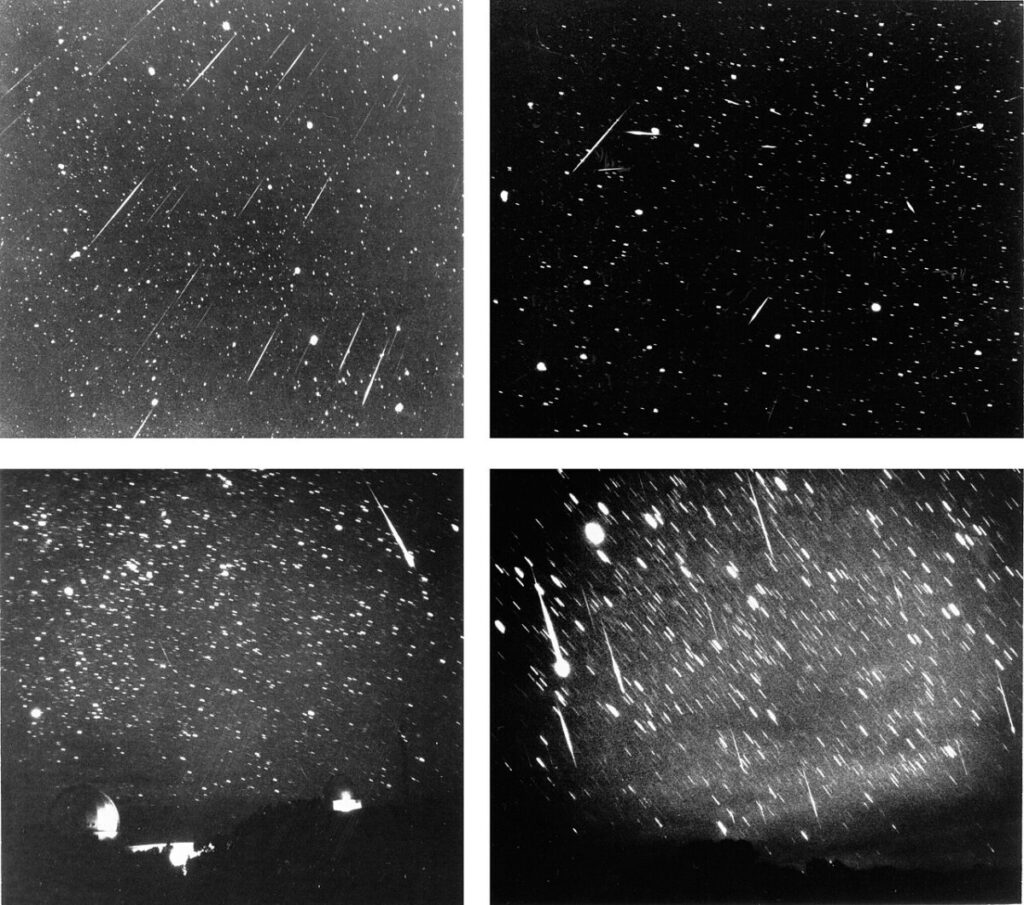
The Leonids are among the fastest known meteors, entering the atmosphere at about 71km per second. In ordinary years they produce only 10-15 meteors an hour, but they have made history with rare ‘storms’, notably November 1833, when tens of thousands per hour were seen over North America, and 1966.
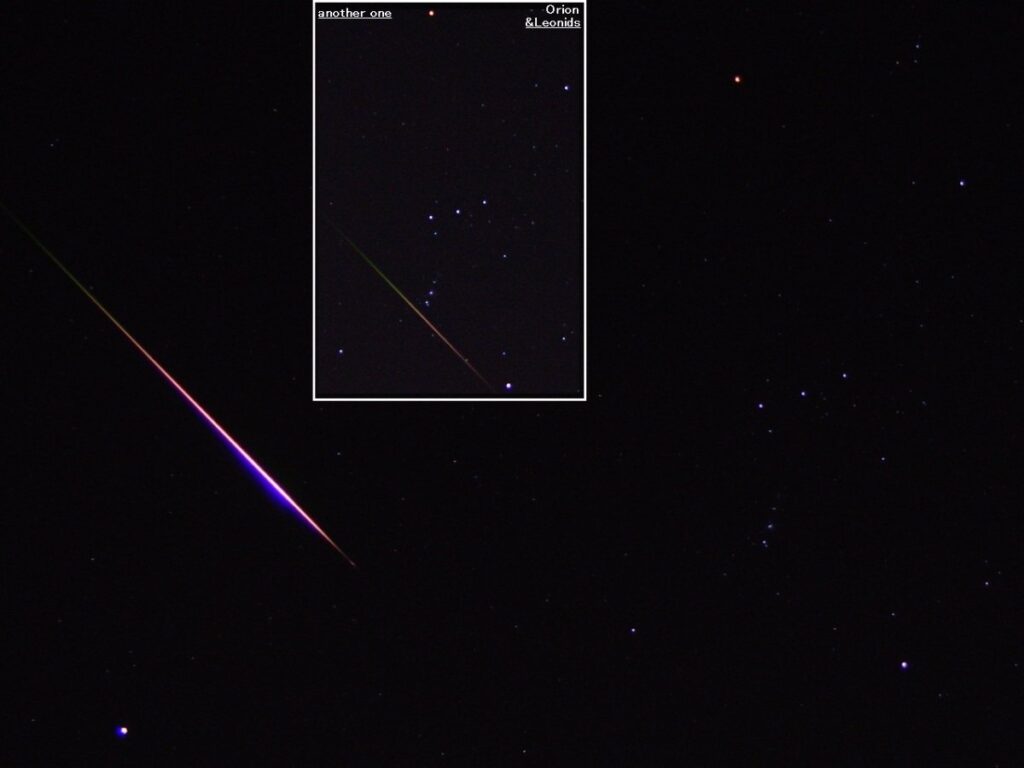
An illustration of the 1833 Leonid meteor storm — Photo: Edmund Weiß / Wikimedia Commons (public domain)Four views of the 1966 Leonid storm — Photo: NOIRLab/NSF/AURA / Wikimedia Commons (CC BY 4.0)A composite image of the Leonids — Photo: Jim Vajda from Oxford, Ohio, USA / Wikimedia Commons (CC BY 2.0)Leonids and Orion over Japan — Photo: Alpsdake / Wikimedia Commons (CC BY-SA 3.0)The Leonids in November 2001 — Photo: Alpsdake / Wikimedia Commons (public domain)
Astronomers advise watching after midnight until just before dawn, from dark sites away from city lights, giving your eyes about 20 minutes to adapt, with no need for a telescope or binoculars.