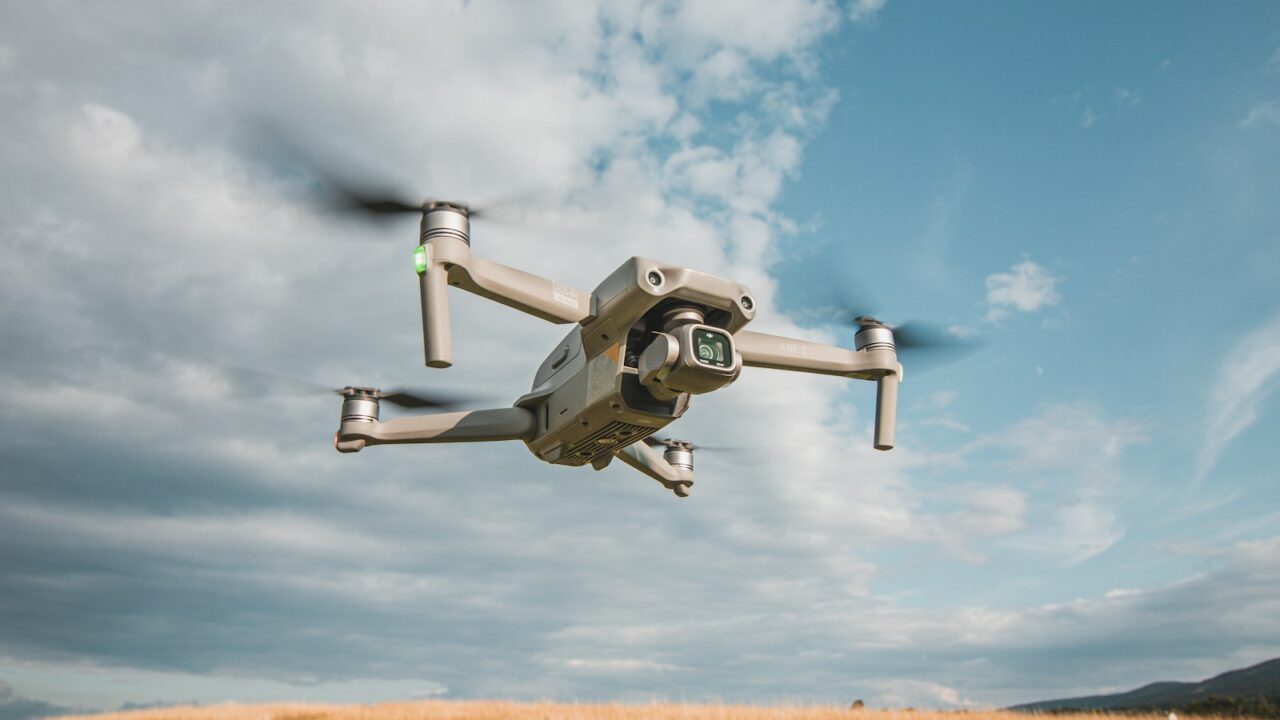
Colombia is seeing what news agencies call a “drone war” between the army and armed groups and drug-trafficking gangs. This report draws on a Colombian defence ministry document relayed by Sky News Arabia from agencies, and explains what the figures say and what they do not.
What the numbers say
The document showed that armed groups in the country carried out 358 drone attacks since the start of the year, close to one a day. Official data showed the pace of these attacks rose 140% between 7 August and 11 November compared with the same period of 2025.
How to read the figure
A 140% rise means the number of attacks between 7 August and 11 November is more than double the same period last year, roughly two and a half times. The total of 358 covers the period from the start of the year to the date of the document, and the agencies did not say whether it includes the latest Cúcuta attack. The agencies did not publish a breakdown of overall casualties from these attacks, so their scale cannot be stated from the data available.
Who is behind the attacks and where
Authorities blamed the National Liberation Army (ELN), active along the border with Venezuela, for the vast majority of operations, followed by a FARC splinter group led by the commander known as Iván Mordisco, Colombia’s most wanted man. Damage concentrated in Cauca in the south-west and Norte de Santander in the north-east, regions known for growing the coca plant used to make cocaine.
The Cúcuta attack
According to regional authorities, a new drone attack on the border city of Cúcuta, on Venezuela’s frontier, on Monday injured three people including a minor and damaged more than 80 homes with the force of the blast. Patricia Peña, whose home was damaged, described the terror, saying the explosion woke them from sleep and they heard glass shattering and people screaming.
The political context
The rise in militants’ attacks coincides, the report says, with right-wing President Abelardo de la Espriella stepping up air strikes against drug-trafficking gangs since taking office last August. The published document offers no causal explanation linking the two, so the connection is a matter of timing rather than an established conclusion.
Three elements stand out in these data and can be checked: the number of attacks recorded since the start of the year, the rate of increase over the stated period, and the groups authorities blame for the vast majority of them. The reasons for the rise and any assessment of the air strikes’ effectiveness are not addressed in the published document, so we draw no conclusion on them.
What to watch
What the agencies published contained no official announcement of a new plan or a date for changing approach. What is on record is that government air strikes are continuing at a higher tempo since August and that drone attacks continue at close to a daily rate, making the defence ministry’s data in the coming weeks the clearest indicator of where events are heading.