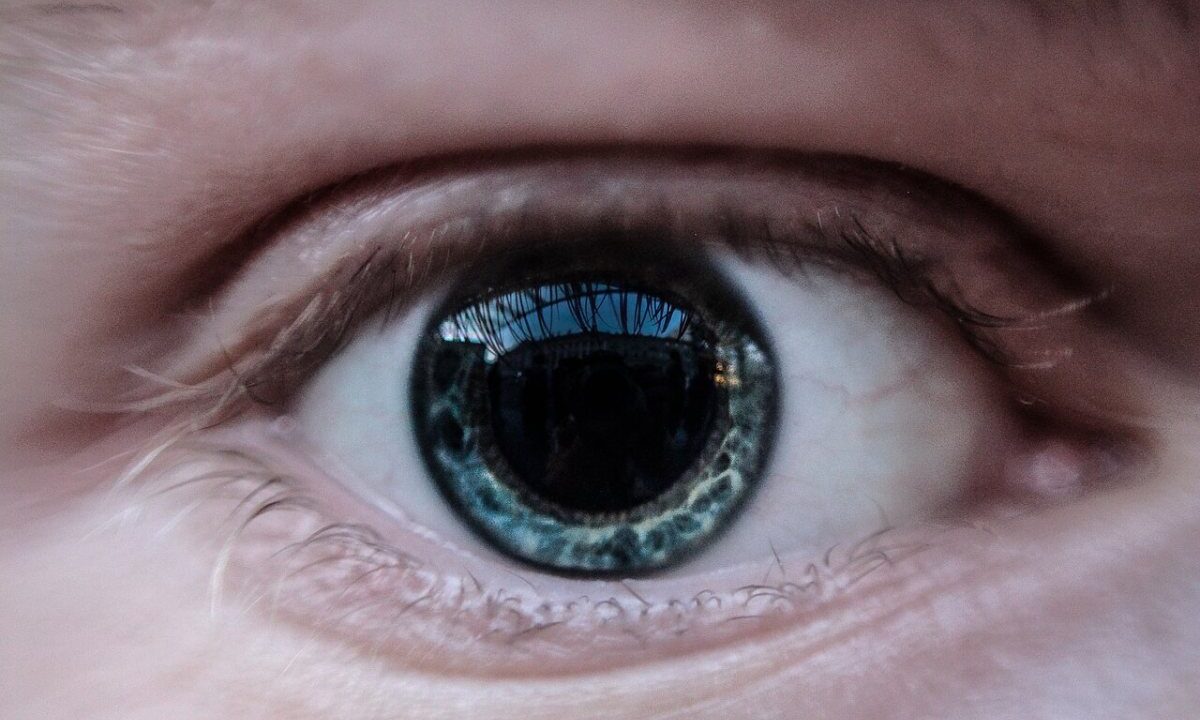
Faces and signs can blur when the cornea loses its transparency, and severe damage can cause blindness. In Australia, researchers are engineering tissue that mimics the human cornea, aiming to develop treatments that could help people with corneal blindness see again.
23 million affected
The University of Wollongong says more than 23 million people worldwide have vision problems linked to corneal damage. The cornea is only about a centimetre wide but does more than half of the eye’s focusing. Tiny cells in its inner layer pump out excess fluid to keep it clear; when they fail, fluid builds up and vision declines.
The timeline
The project team is developing two models: one to replace the inner layer and another to repair the whole cornea. Researchers expect human trials in 2027 of a biodegradable gel developed by the University of Melbourne to help surgeons handle the delicate tissue during transplants, pre-clinical studies the same year on a two-layer tissue, and a three-layer model in 2028. The project offers hope to patients who wait a long time for donor corneas.
Source: University of Wollongong, Sky News Arabia