As temperatures fall, the risk of serious complications such as stroke and brain haemorrhage rises, especially for people with high blood pressure, diabetes or high cholesterol, and doctors warn of a common mistake: stopping blood pressure medicine because readings look normal.
What cold does to blood pressure
In the cold the body works harder to keep warm, activating the sympathetic nervous system and constricting blood vessels, so pressure rises or swings suddenly. Risks increase at night and in older people, when uncovering during sleep or stepping suddenly into cold air can destabilise pressure.
Why not stop the medicine
Doctors stress that stable readings may be the result of effective treatment, not a sign the problem is over, and that stopping or changing doses without supervision can cause loss of control and raise stroke risk. Timing also differs by condition and drug, so the doctor’s instructions should be followed.
Signs not to ignore
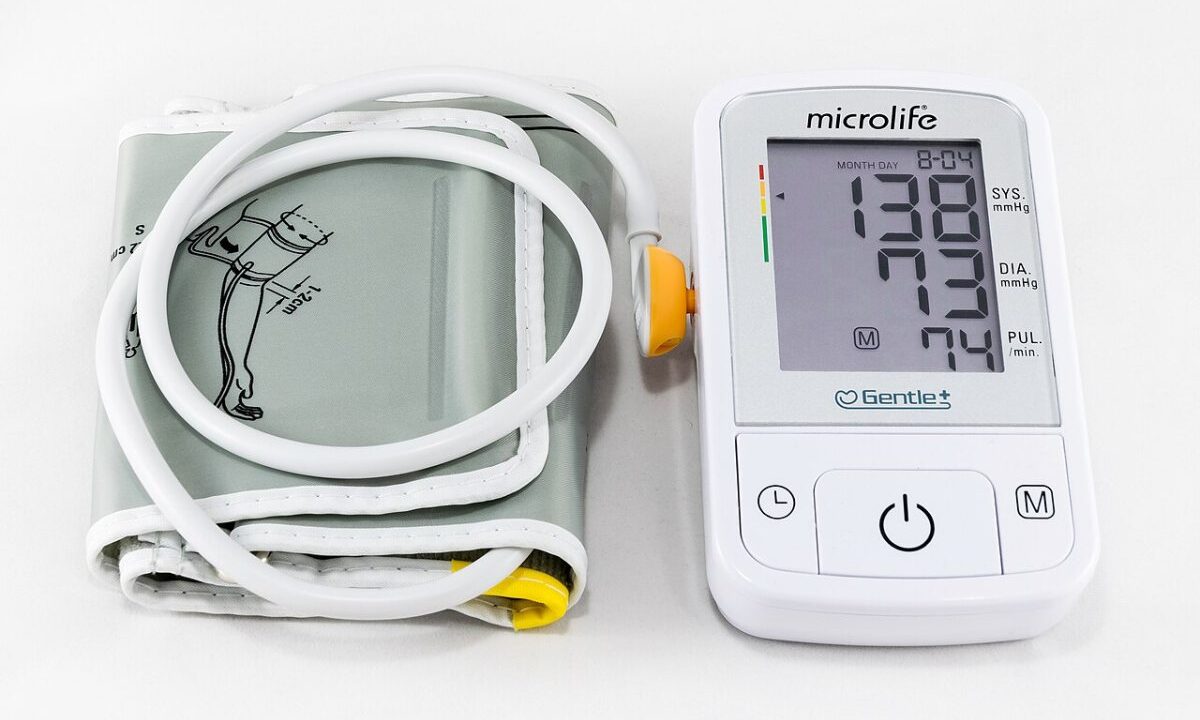
Go to emergency immediately for sudden facial drooping, weakness or numbness in an arm or leg, difficulty speaking, a sudden severe headache, or problems with vision or balance. Tips: measure blood pressure regularly at home, dress warmly in layers, cut salt and stay active indoors on cold days.
Source: Onlymyhealth, Youm7, general medical guidance