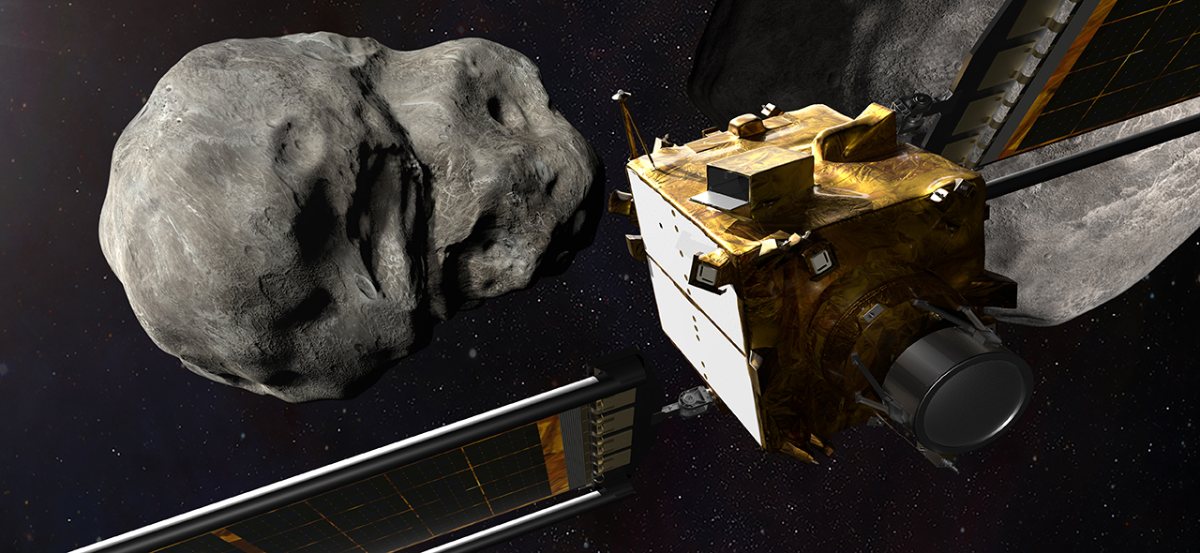
Earth is hosting a temporary visitor after its gravity pulled a small rock into orbit in April, turning it into a so-called mini-moon that is expected to stay near the planet until January 2027 before heading back into space.
Too small for amateur telescopes
The object, designated 2026 QQ8, is about 1.8 metres across, too small for amateur telescopes, but scientists are following it to study how Earth temporarily captures such bodies. It was discovered in August by Hungarian researcher Krisztián Sárneczky.
Natural or human-made?
It sparked debate after its data were submitted to the International Astronomical Union’s Minor Planet Center, with some suggesting a natural asteroid and others human-made space debris, until observations by the Lowell Discovery Telescope in Arizona and the University of Hawaii telescope confirmed a natural origin. The centre officially recognised it as a mini-moon on 29 October. Scientists believe it belongs to a class of near-Earth asteroids with orbits similar to Earth’s.
Source: Minor Planet Center, Youm7