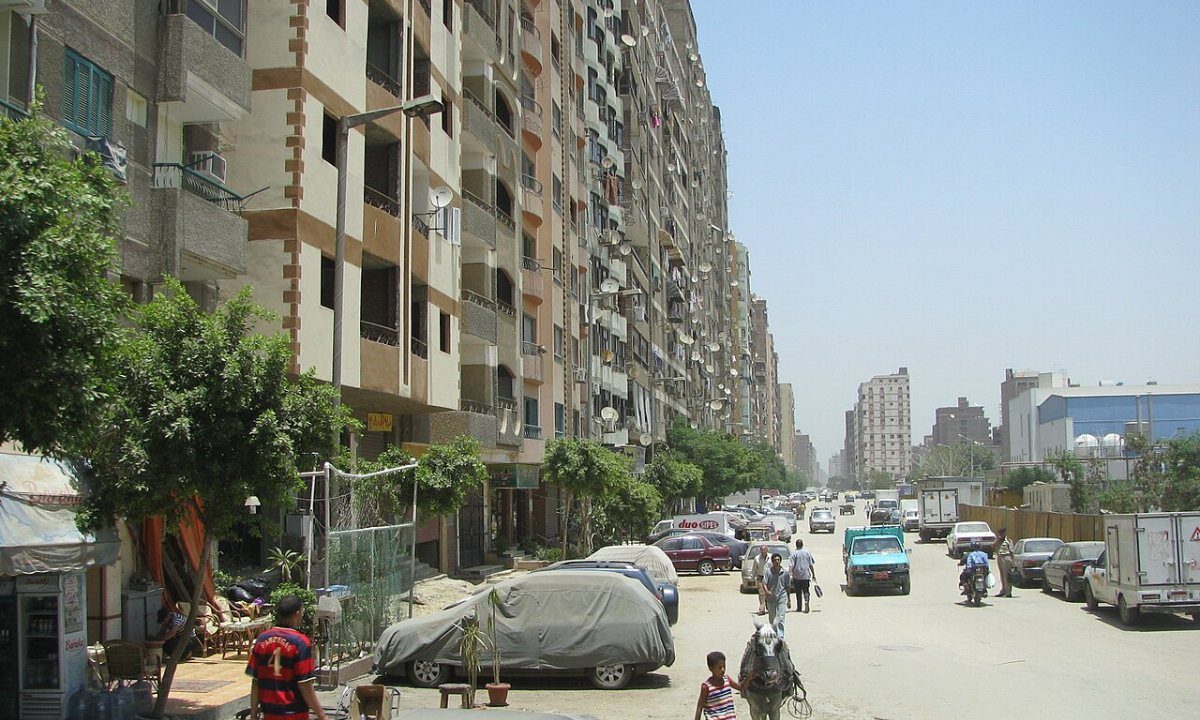
When a family in Warraq earns EGP 16,000 but spends nearly EGP 22,000, with rent alone taking a quarter of its income, we face an equation no annual raise can solve, however generous. Inflation of 12.8% does not spread its burden evenly; it hits hardest the items families cannot do without.
Pay rises are necessary, and it is positive that the government is moving to improve the pay of university staff and researchers. But raising wages without cutting the cost of basics is like filling a leaking bucket: the level rises a little, then falls again with the next wave of price increases.
What is needed is an integrated package: a better-regulated rental market and genuine middle-income housing affordable on salaries, public schools good enough to ease the private-tutoring burden draining families, and efficient public transport to cut daily commuting costs. These are the items that make the difference to a household budget.
Egyptian families have shown remarkable adaptability, but patience has limits. When the gap between income and spending reaches a third of a salary, the question is no longer how a family gets through this month, but for how long it can.
Opinion — the views expressed are the writer’s own.