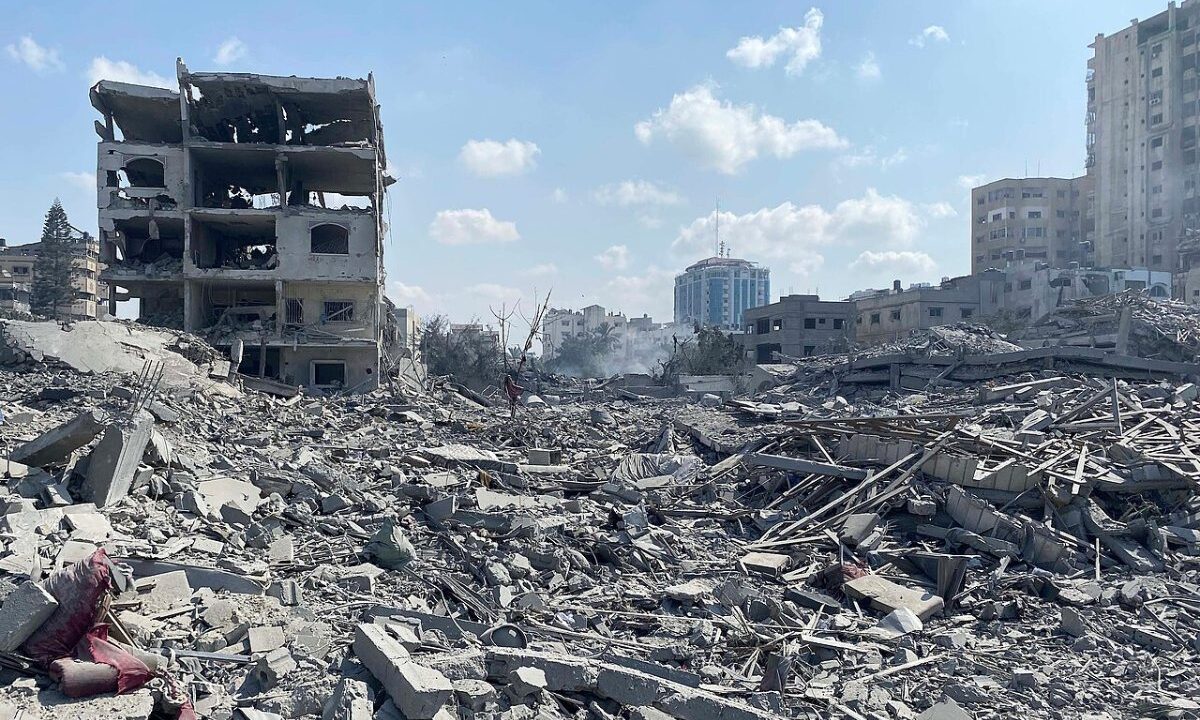
More than a year has passed since the Gaza ceasefire, and at least 1,600 Palestinians have been killed during it. That figure alone shows that what we have is not peace but a low-intensity war run under the banner of a truce.
In a single week: a commander assassinated in al-Mawasi, a medical complex in Khan Younis struck, and tents flooding in winter rain while caravans and mobile homes wait for permission to enter. Each time Arab, Muslim and international statements of condemnation follow, and then everything returns to how it was.
The problem is not a lack of positions but a lack of mechanism. An agreement with no neutral monitor, no clear definition of violations and no cost for those who commit them will remain fragile however good the intentions. The mediators, led by Egypt, have credit to build on in proposing an international monitoring mechanism that publishes regular reports.
Unless the truce becomes binding security and humanitarian arrangements, Gazans will keep living between a ceasefire on paper and continuous bleeding on the ground – and winter will remain harsher on them than any statement.
Opinion — the views expressed are the writer’s own.