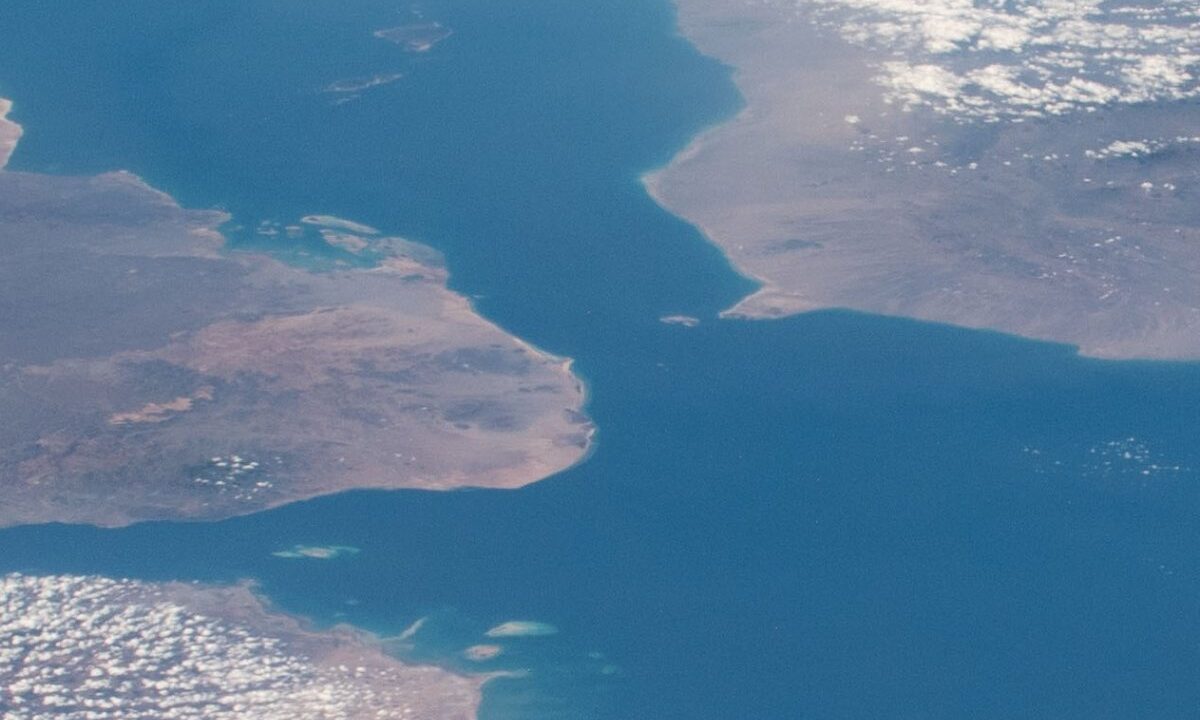
When Yemeni government forces withdraw from areas overlooking Bab al-Mandab, the Houthis come within 60 km of Aden and the coalition’s joint forces commander is dismissed, this is a shift that does not concern Yemen alone. The strait separating Yemen from the Horn of Africa is the southern gate of the Suez Canal, and what happens there directly affects shipping and canal revenues.
Lessons of the past two years
The canal went through a hard time when Red Sea attacks pushed shipping lines around the Cape of Good Hope and revenues fell sharply. Major lines have recently started returning, but any new disruption near the strait could put insurers and shippers back into risk calculations.
What Egypt can do
Egypt is not a party to the war but has a direct stake in the security of the route. Its most important tools are diplomatic: backing a comprehensive Yemeni political process, coordinating with Red Sea states to guarantee freedom of navigation, and reassuring shipping companies with incentives and services that make returning to the canal a stable choice rather than a temporary one.
Not only a military solution
A decade of war has shown that a military victory in Yemen is far off and that every round of escalation is paid for first by international shipping. The best protection for Bab al-Mandab is a settlement that ends the war; any delay means the Suez Canal remains hostage to the battlefield.
Opinion — the views expressed are the writer’s own.