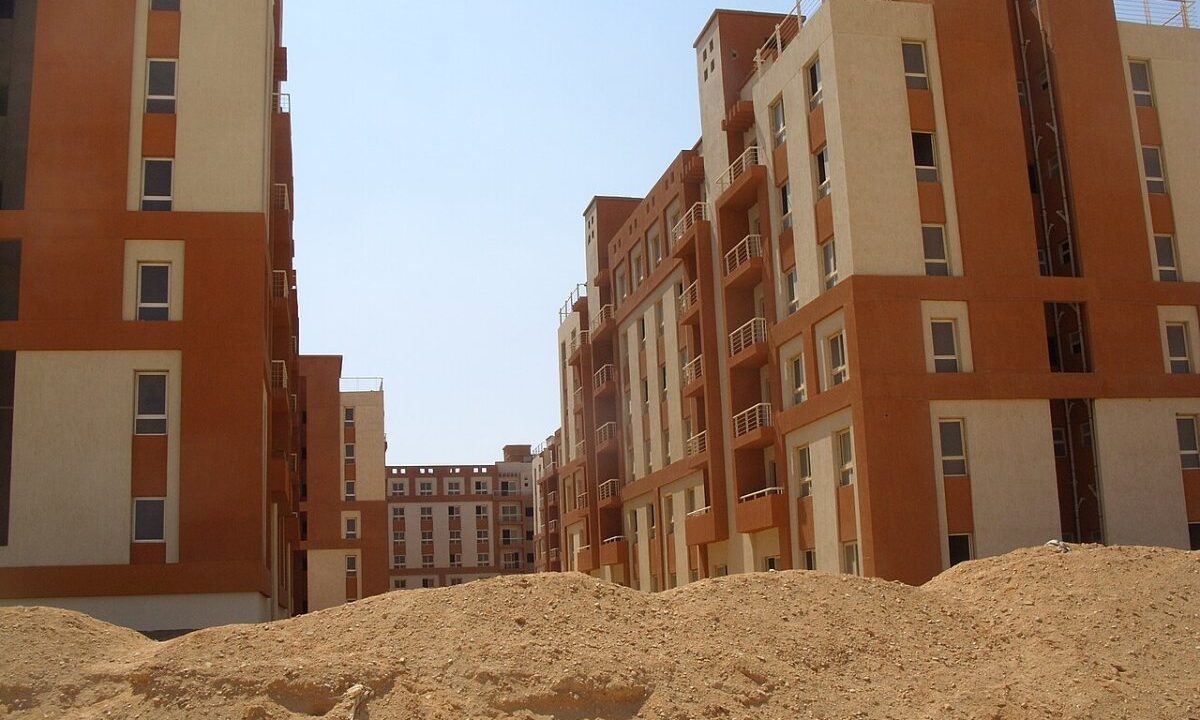
Since Egypt’s law on settling some building violations was issued in 2019 and amended by Law 187 of 2023, the application deadline has been extended more than once. Now the government proposes extending it again to May 2029, with discounts of up to 50% for Takaful and Karama recipients and informal workers, and technical relief for garages and holders of ‘Form 8’.
What deserves a welcome
Some proposals make sense: discounts for the neediest families recognise that many violations were a housing necessity rather than a luxury, a simplified structural safety report reduces unnecessary burdens in simple cases, and keeping the cut-off date for eligible violations at December 2023 avoids opening the door to new ones.
The problem is the message
But repeated extensions send a clear message to those who have not applied: waiting pays, because the deadline will be extended and the conditions eased. Latecomers are rewarded at the expense of those who applied early and paid in full, and trust in any future legal deadline erodes.
What is needed
If an extension is necessary this time, it should be the last, stated explicitly in the law, with incentives for applying early in the first year, full digitisation to reduce friction with local councils, and regular data on files submitted and completed. A law whose deadlines keep moving loses its power to shape behaviour.
Opinion — the views expressed are the writer’s own.