November brought a wave of technical outages and cyber incidents across vital sectors worldwide, leading some to call it ‘Black November’ in tech and renewing questions about the resilience of digital infrastructure.
Aviation: a router grounded America
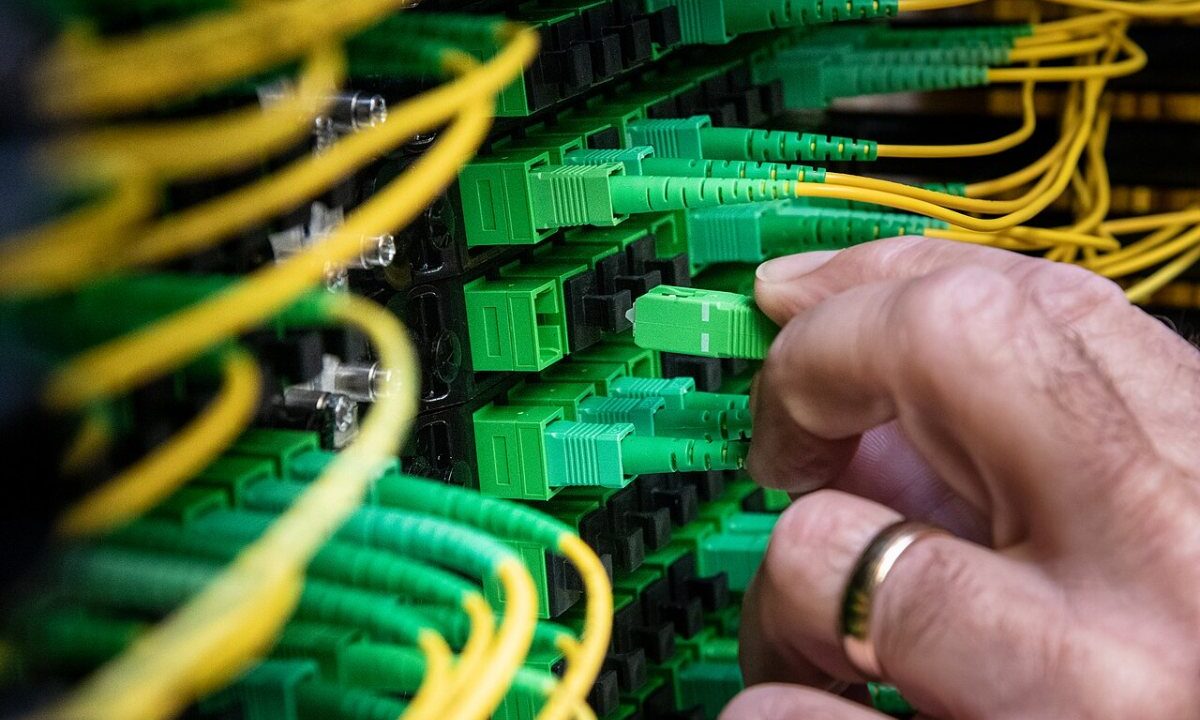
On 13 November the Federal Aviation Administration halted air traffic across the United States for about 4 hours, the longest stop since 9/11, cancelling or delaying more than 10,000 flights. Transportation Secretary Sean Duffy said a newly installed router flooded the communications network with repeated connection attempts, affecting radar data at 17 centres, during work to replace copper lines with fibre in Arkansas. On 16 November a technical glitch delayed United Airlines flights for about an hour.
Microsoft and the banks
On 12 November Outlook, Teams and Copilot went down for about 36 hours; Microsoft said remaining servers were overloaded after some were taken out of service during an update. On 16 November thousands of customers could not access accounts at JPMorgan Chase and other banks because of a software glitch.
Real attacks
Meanwhile attackers injected malware via the Optimizely platform into sites linked to about 178 companies to steal payment data and crypto wallets; hackers demanded a $5m ransom from Maersk for more than 100GB of data; and an attack on Maileva, part of France’s La Poste, exposed data on about 22 million people.
The lesson
The series shows that an outage does not necessarily mean a hack; it can be a software error or network overload during an update. But the result is the same when whole sectors depend on shared systems and networks: a single weak point can paralyse millions, requiring backup operations and regular resilience tests.
Source: Youm7, US Department of Transportation, BBC