How could a new valve grow inside a child’s heart year after year? Can a weak heart regain some of its strength? These questions lie behind research directions associated with world-renowned heart surgeon Sir Magdi Yacoub, whose focus has moved over decades from complex surgery and transplantation to tissue engineering and heart muscle regeneration.
The problem with conventional valves
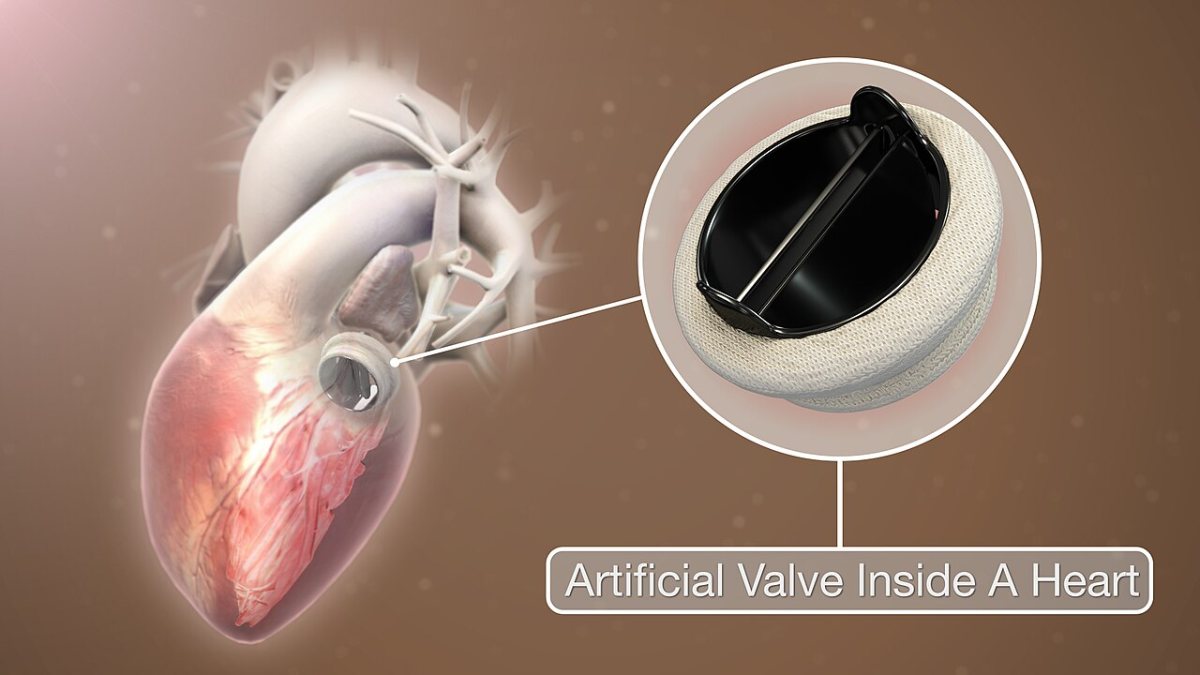
Valve replacement today relies on mechanical valves, which last long but require lifelong blood thinners, and biological valves made from animal or human tissue, which can deteriorate over the years. The problem is harder for children born with valve defects, because replacement valves do not grow with the body and may require repeat operations.
A valve the body builds
The research idea is to implant a fine biodegradable scaffold that works as a valve and attracts the body’s own cells to form new tissue, while the scaffold gradually dissolves. Researchers from Harefield Hospital and Imperial College London have described the approach in scientific studies, but it remains at the research and pre-clinical testing stage and must prove its safety and effectiveness before routine use.
The ‘domino transplant’
Among the surgical ideas Yacoub helped develop is the domino transplant: a patient who needs a combined heart-lung transplant but whose own heart still works receives the donor’s heart and lungs, and their heart is then transplanted into a second patient, so one donation helps two people when medical criteria allow.
Can a failing heart recover?
Research also extends to advanced heart failure, where left ventricular assist devices help the heart pump and ease the load on the muscle, opening the door to studying whether the heart muscle can recover in some patients with mechanical support and the right medication.
Source: Youm7, Magdi Yacoub Heart Foundation