The Egyptian cabinet’s media centre published a video reviewing the education sector between 2014 and 2026, comparing the challenges before 2014, namely overcrowded classes, technical education disconnected from the labour market and teacher shortages, with what has since been achieved.
Pre-university education
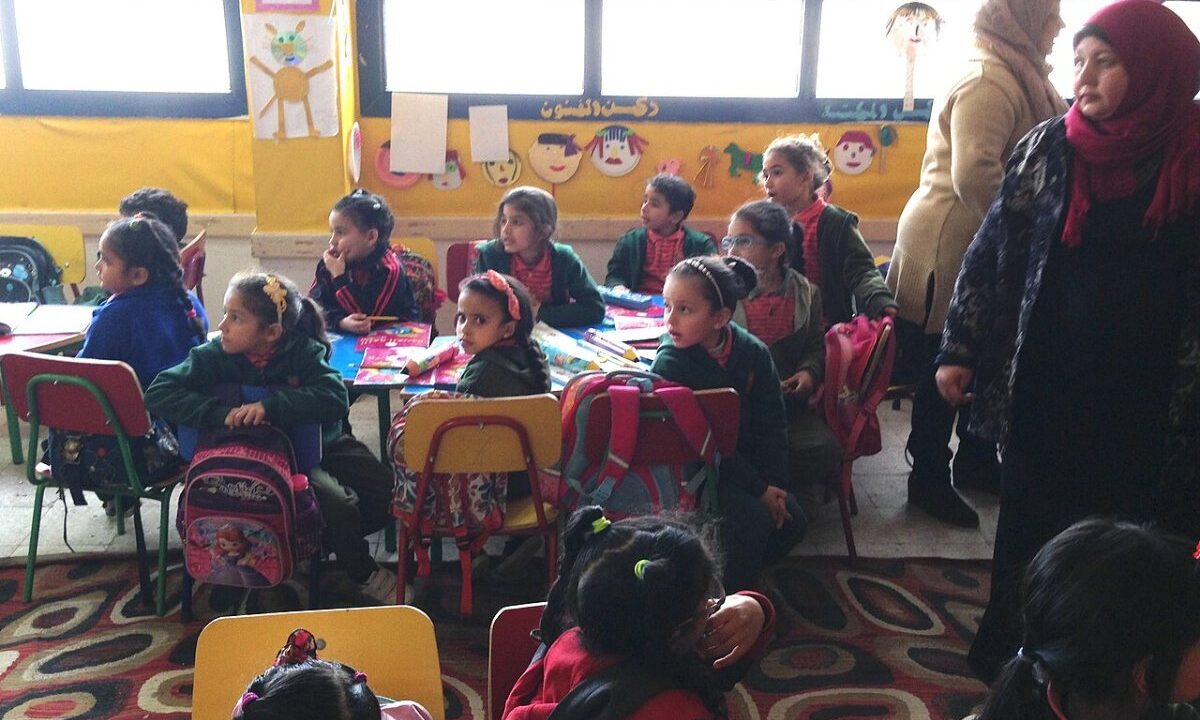
According to government figures, average class size fell from 100 to 41 pupils, and 152,000 classrooms were delivered at a cost of 64 billion pounds, along with curriculum reform, an initiative to hire 150,000 teachers, 103 Japanese-model schools, more applied technology schools and 24 STEM schools for gifted students.
Higher education
In higher education, the number of public and private universities rose from 50 to 131, capacity from 2.3 million to 4 million students, and published research papers from 15,200 to 47,300. The expansion included 32 national (non-profit private) universities at a cost of 108 billion pounds and 12 technological universities at 7 billion.
What the numbers do not say
Despite these indicators, issues such as learning quality, teacher and faculty pay, and the cost of private and national universities for families remain under debate in parliament and among experts, especially as faculty members press for higher incomes.
Source: Egyptian Cabinet Media Centre, Youm7