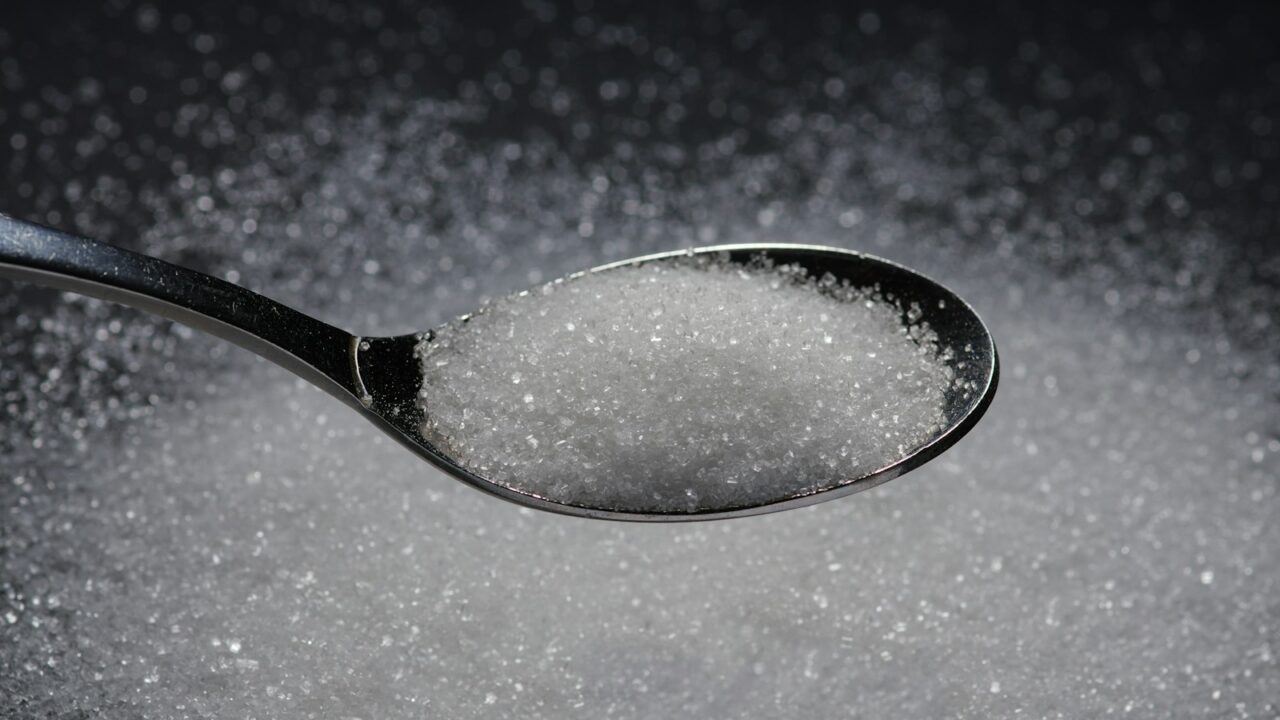
A recent study published in the International Journal of Molecular Sciences found that erythritol, a widely used sugar substitute, may have hidden harmful effects, as people with high blood levels of it face a greater risk of stroke, Sky News Arabia reported on Tuesday 24 November.
Erythritol tastes almost as sweet as table sugar but has very few calories and does not cause a sharp rise in insulin. It occurs naturally in some fruits, such as pears and grapes, and the body makes small amounts from glucose; since the 1990s it has become a popular low-calorie sweetener.
What the researchers found
Researchers in China used a technique called Mendelian randomisation to analyse genome-wide associations and found that people genetically predisposed to high blood erythritol had about 25% higher odds of ischaemic stroke, caused by a blocked blood vessel feeding the brain. Further computational analysis pointed to inflammation, oxidative stress, oxygen deprivation and vascular damage as possible pathways, and three genes, MMP9, TLR4 and HIF1A, kept appearing, according to ScienceAlert.
Endocrinologist Ao Zhong of Huazhong University of Science and Technology wrote that although such compounds are often promoted for weight and blood-sugar control, their long-term effects on brain blood vessels and inflammation remain unclear, and that the groups using sugar substitutes most already have high rates of cardiovascular problems.
Important caveats
The authors said the findings concern erythritol in the blood and do not directly prove that eating it causes stroke, because blood levels may also reflect production in the body, metabolism and how the kidneys handle it. But they said the association is a “potential warning signal” about its safety.
A 2023 study of more than 2,000 adults in the United States had found that high blood erythritol was associated with almost double the risk of serious cardiovascular events within three years.