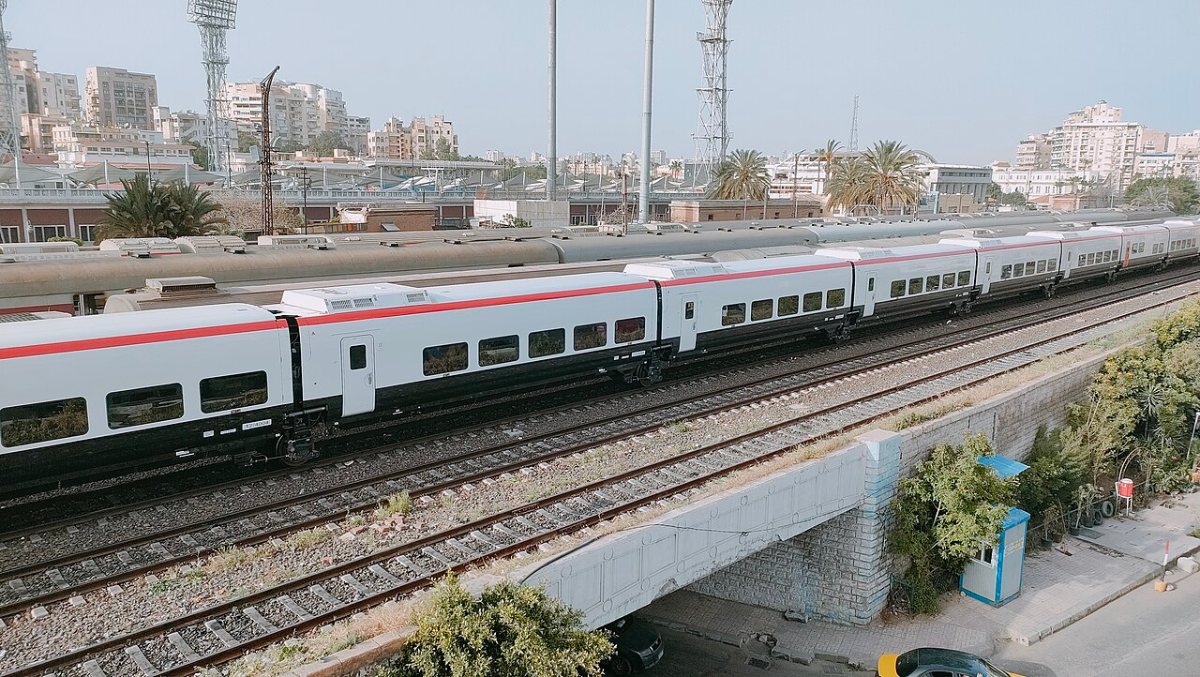
Initial findings by Egypt’s public prosecution into the Al-Ayyat train crash show that technical inspection of the cab equipment proved the driver of train 134 had disabled the automatic train control (ATC) system before it ran into the rear of train 2010, which was stationary between Kafr Ammar and El Raqqa stations, causing deaths and injuries.
Investigators also found that station officials failed to monitor the signal tower control panel, raising questions about compliance with train movement safety procedures.
How ATC works
The system relies on data exchanged between trackside equipment and on-board units. It monitors speed against permitted limits, receives signal information, warns the driver when limits are exceeded and can automatically slow the train or apply the brakes if the driver does not respond.
People before equipment
Experts, including Ain Shams University transport engineering professor Hassan Mahdy, say ATC is a pillar of safe operations but cannot guarantee safety alone without human discipline, effective oversight and regular maintenance, raising the question of how to prevent safety systems being switched off manually and hold those responsible to account.
Source: Egyptian Public Prosecution, Sky News Arabia