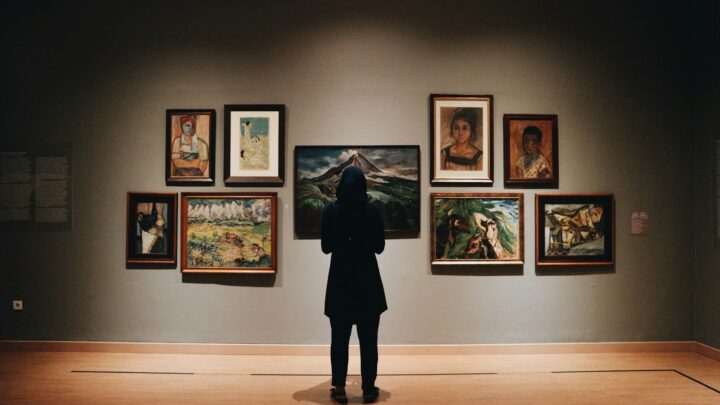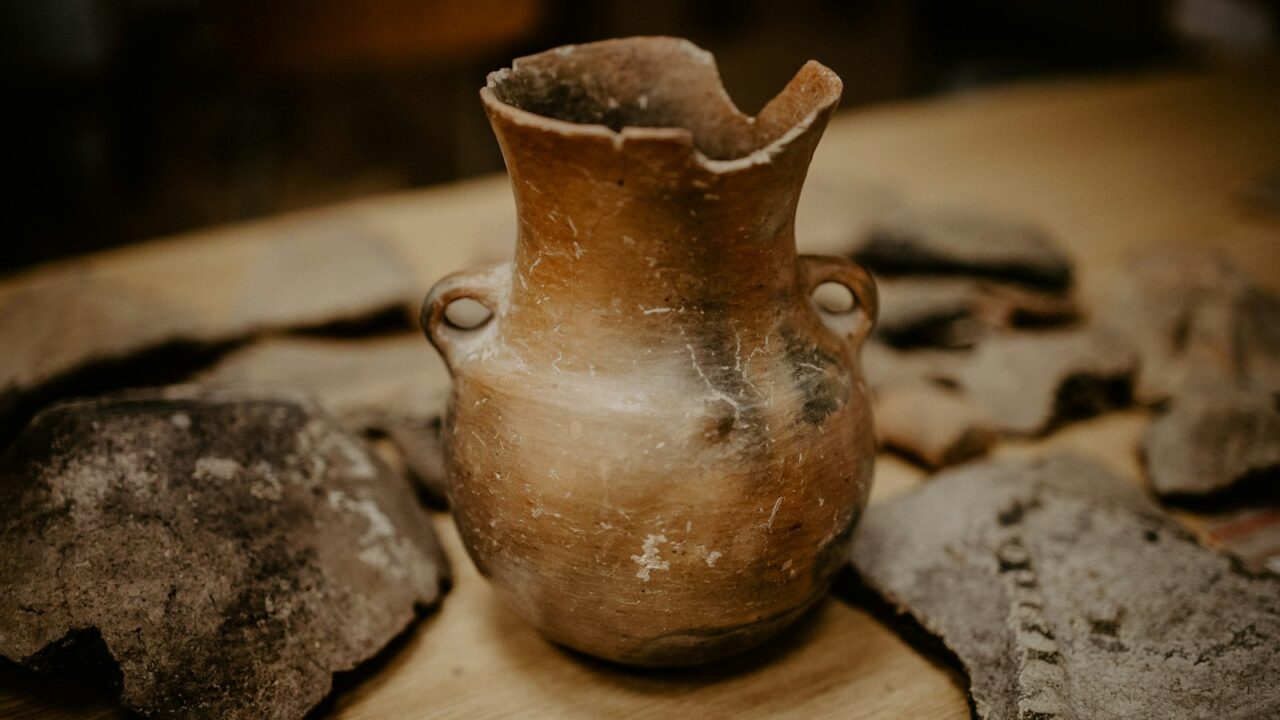
The exhibition ‘Our Antiquities 2026’, at the historic Fahad bin Ali Palace in Doha, tries to answer how people in Qatar lived thousands of years ago, what illnesses they suffered and how they buried their dead, alongside the Qatar Quadrennial 2026 events, Youm7 reported.
It includes pieces found in 21 tombs at 12 burial sites in Qatar, spanning the Neolithic through the Bronze and Iron Ages to the late pre-Islamic period. Since the late 1950s, missions from Qatar, Denmark, Britain, France, Japan and Germany have excavated more than 150 tombs from that era.
Links with Iraq and Oman
Finds from the Wadi al-Dhubayan and Hazm Mashash Fahd cemeteries show ties with neighbouring societies from the mid-sixth to early fifth millennium BC, including shell and stone bead necklaces pointing to links with Muscat and pottery from the Ubaid period, associated with southern Mesopotamia.
Warriors, camels and bones
Highlights include tombs believed to be those of warriors, holding swords, daggers and arrowheads, and two graves containing camel remains, some with saddles and ornaments. Through cooperation between Qatar Museums and Sidra Medicine, research combines traditional and bio-archaeology using ancient DNA and isotope analysis. Four sacral bones dated roughly between the third century BC and third century AD show their owners had a congenital condition known as spina bifida occulta.
The show raises ethical questions about displaying human remains: a curtained-off area with a warning lets visitors choose whether to view them.