
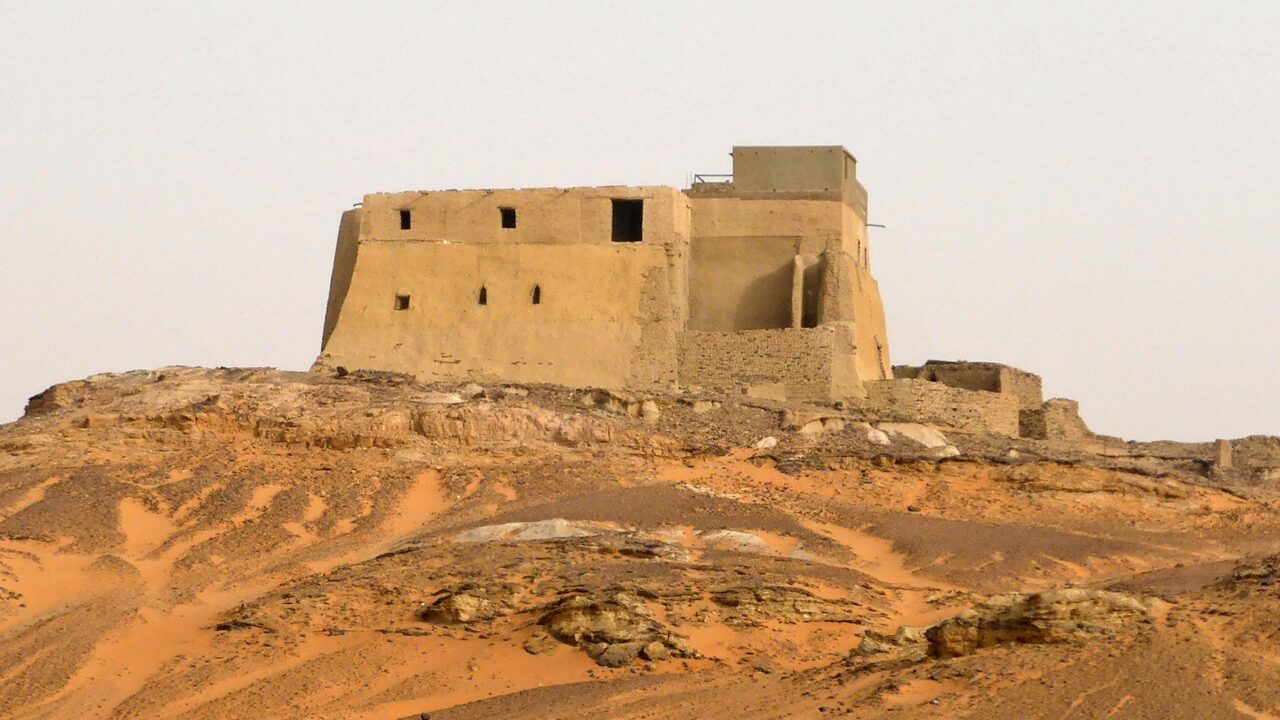
The joint archaeological mission of the Polish Centre of Mediterranean Archaeology at the University of Warsaw and Sudan’s National Corporation for Antiquities and Museums has announced excavation results described as “unprecedented” at the site of Old Dongola in Northern State.
The mission revealed on its official website new sections and architectural details of a building believed to be the “Great Church of Jesus”, described in historical sources as the largest and most important church in Nubia during the Middle Ages.
Old Dongola, historically known as Tungul, lies on the east bank of the Nile between the Third and Fourth Cataracts. It was founded as a fortress in the 5th century AD before becoming the political and cultural capital of the Kingdom of Makuria from the 6th to the 15th century.
Dr Mohamed Nasreldin, a team member specialising in archaeological plant remains, said excavations at the site since the 1960s have revealed an exceptional richness of religious and civic architecture.
Throughout its history the city had close political and economic ties with the Byzantine world and the Islamic world, making it a witness to a long cultural exchange in the Nile Valley.
Source: BBC Arabic, Polish archaeological mission at Dongola