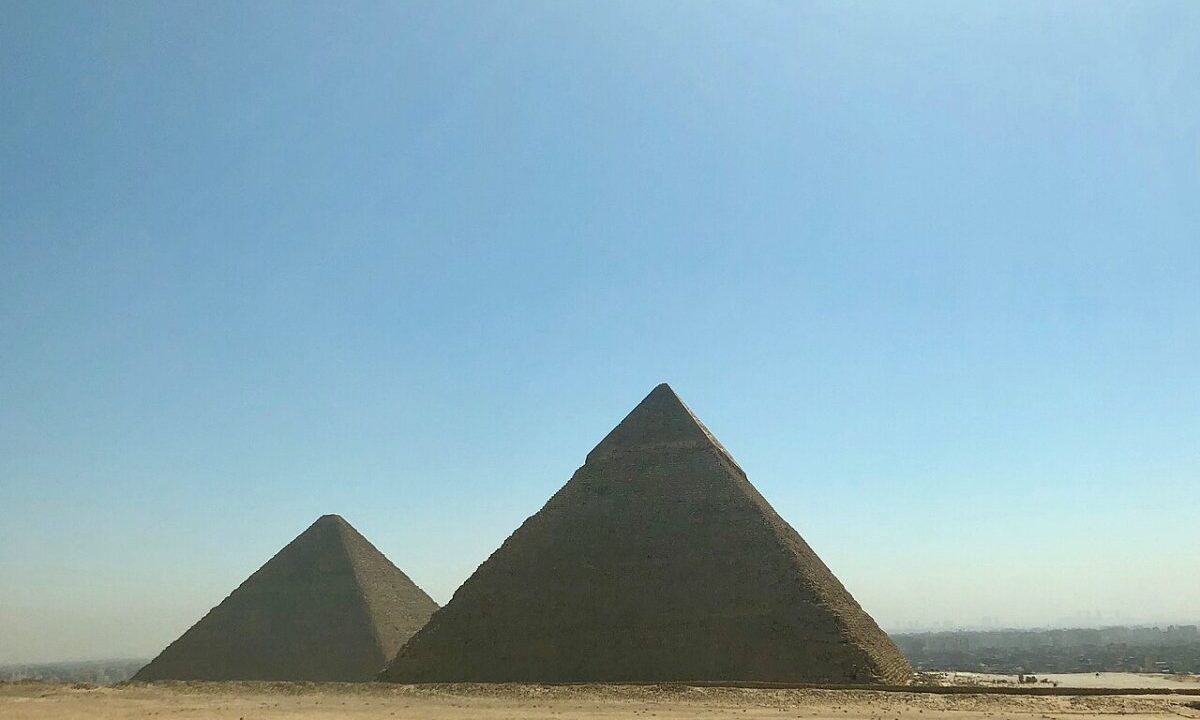
With a third tunnel boring machine emerging from Metro Line 4, the dream of a ‘Pyramids Metro’ is getting closer. The first phase – 19km and 17 stations from the edge of 6th of October to Fustat via the Grand Egyptian Museum and Haram Street – is more than a congestion project.
For the first time tourists will be able to reach the Giza pyramids and the Grand Egyptian Museum by metro, as in the world’s great tourist capitals, where the station itself is the gateway to the experience. That is an opportunity that should not be lost in routine details.
Stations near archaeological sites should be designed with a visual identity reflecting their surroundings, with multilingual signs and apps, safe and clean walkways to the museum and pyramids, and integrated tourist tickets combining transport and entry.
The project has another, equally important side: residents of Haram, Faisal and Giza who have long suffered from traffic deserve decent public transport. If we serve tourists and citizens alike, Line 4 can be a model of infrastructure built to serve people and the economy at once.
Opinion — the views expressed are the writer’s own.