Britain is starting one of the world’s largest medical trials of the role of artificial intelligence in early breast-cancer detection, with about 660,000 women taking part, Youm7 reported on Tuesday 24 November, citing the UK’s Daily Mail.
The trial, called EDITH, is led by researchers from the universities of Warwick and Cambridge with Cambridge University Hospitals NHS Foundation Trust, and will extend to 30 breast-screening centres across England, Scotland, Wales and Northern Ireland.
How it will work
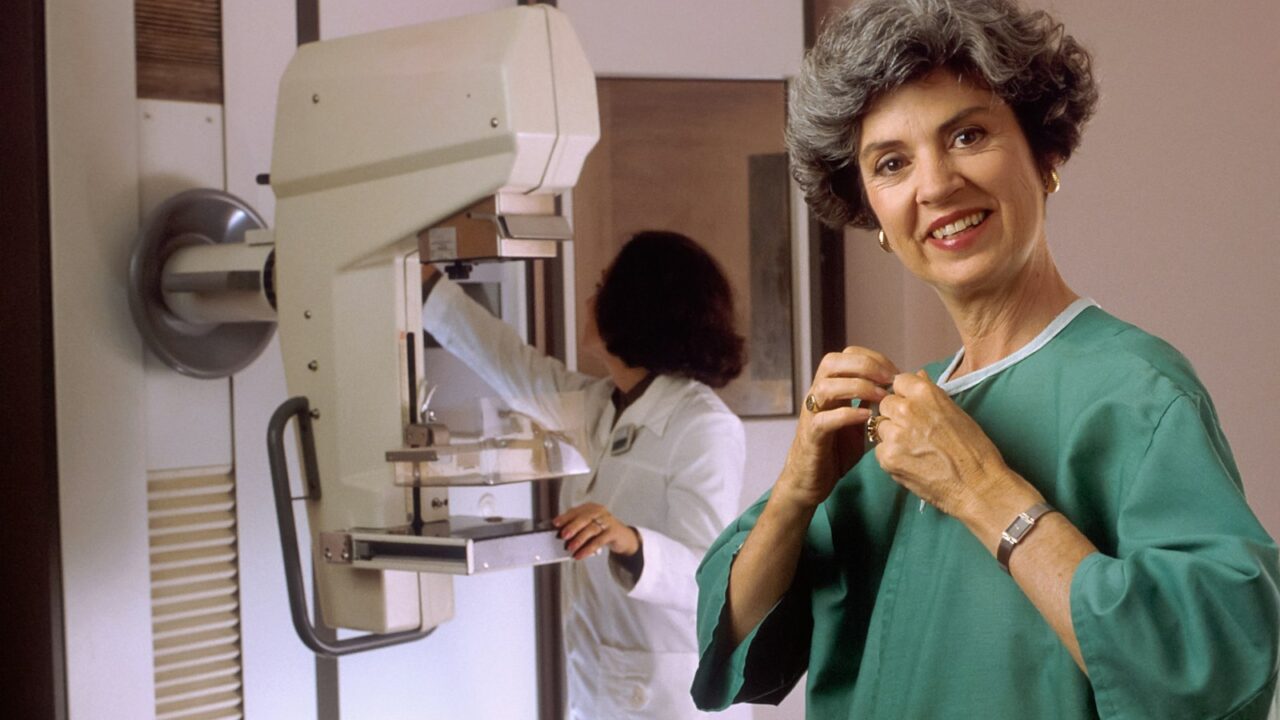
It targets women aged 50 to 71 who are screened every three years, whose mammograms are currently reviewed by two specialists. In the trial an AI system will replace one of the two readers, to test the accuracy of results when doctors’ expertise is combined with the technology. Participation is voluntary, and recruitment will begin at Cambridge University Hospitals before expanding.
The trial comes as demand for breast screening rises by about 8% a year amid a shortage of radiologists. Professor Fiona Gilbert of Cambridge, a co-lead, said AI could make mammogram review more efficient and give doctors more time to care for cancer patients.
Concerns and safeguards
Researchers are also studying the possibility that the technology could lead to women being recalled for unnecessary extra tests, since AI may flag suspicious areas that turn out not to be cancer, which could cause anxiety.
The trial’s budget is about £11m, funded by the National Institute for Health and Care Research. Professor Peter Johnson, NHS England’s national clinical director for cancer, urged eligible women to take part, stressing that every scan will still be reviewed by a specialist.