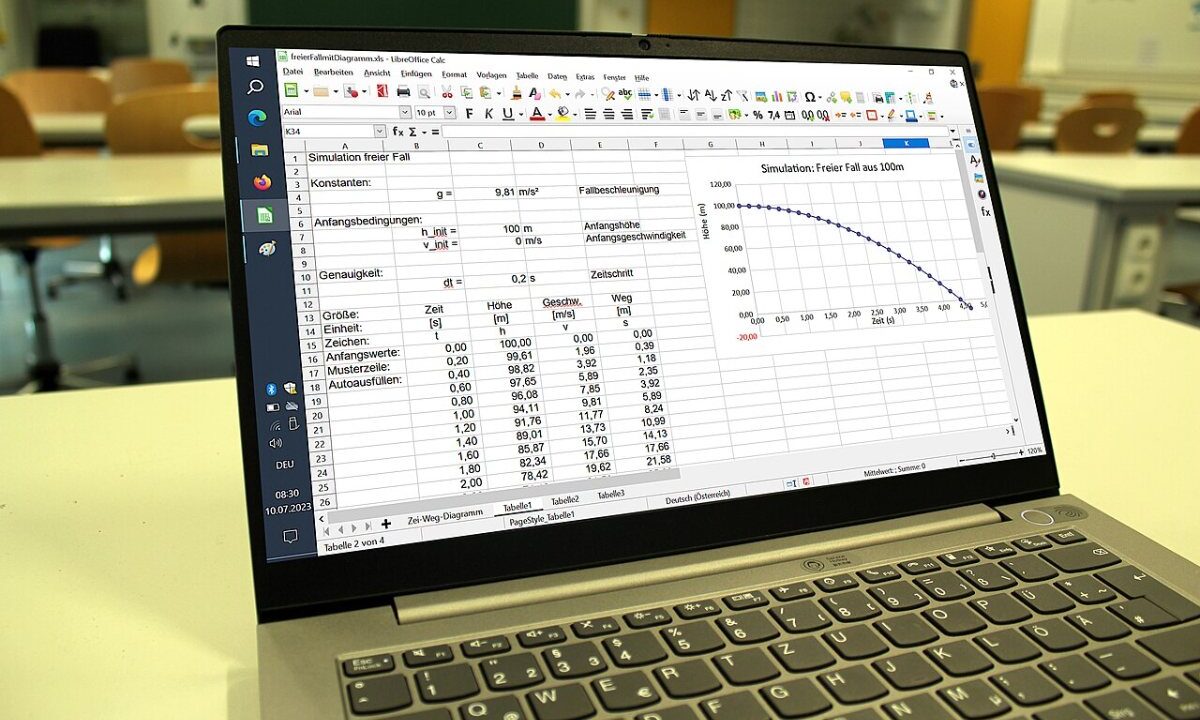
The idea that government could test crisis scenarios before deciding, and pick up early risk signals from millions of invoices, receipts and customs records, is attractive and legitimate. The study before the Senate deserves serious debate because it goes beyond enthusiasm, setting stages for the transition and limits on use, and keeping final decisions with humans.
Data before models
But AI does not create information; it rearranges what we give it. If government databases are not standardised, are updated late or contradict each other across agencies, models will produce elegant but wrong forecasts. The first step is not buying or building a model but common data standards, shared definitions and regular updates.
Transparency protects decisions
A model recommending an economic decision must be reviewable: what data did it rely on, what assumptions, and how accurate were its past forecasts? Opening some of this data to researchers and universities, with privacy safeguards, multiplies the eyes that catch errors early and builds trust that official figures alone cannot.
Humans in the loop, really
‘Human oversight’ means little without staff able to read model outputs critically and challenge them. Investing in them matters more than investing in servers. The danger is not that machines decide for us, but that we sign off on what they decide without understanding it.
Opinion — the views expressed are the writer’s own.