As 2026 draws to a close, the year’s toll reveals disasters and weather events that exceeded the norm in intensity and form, according to scientific reports and official meteorological agencies.
Nepal: a collapse, not a flood
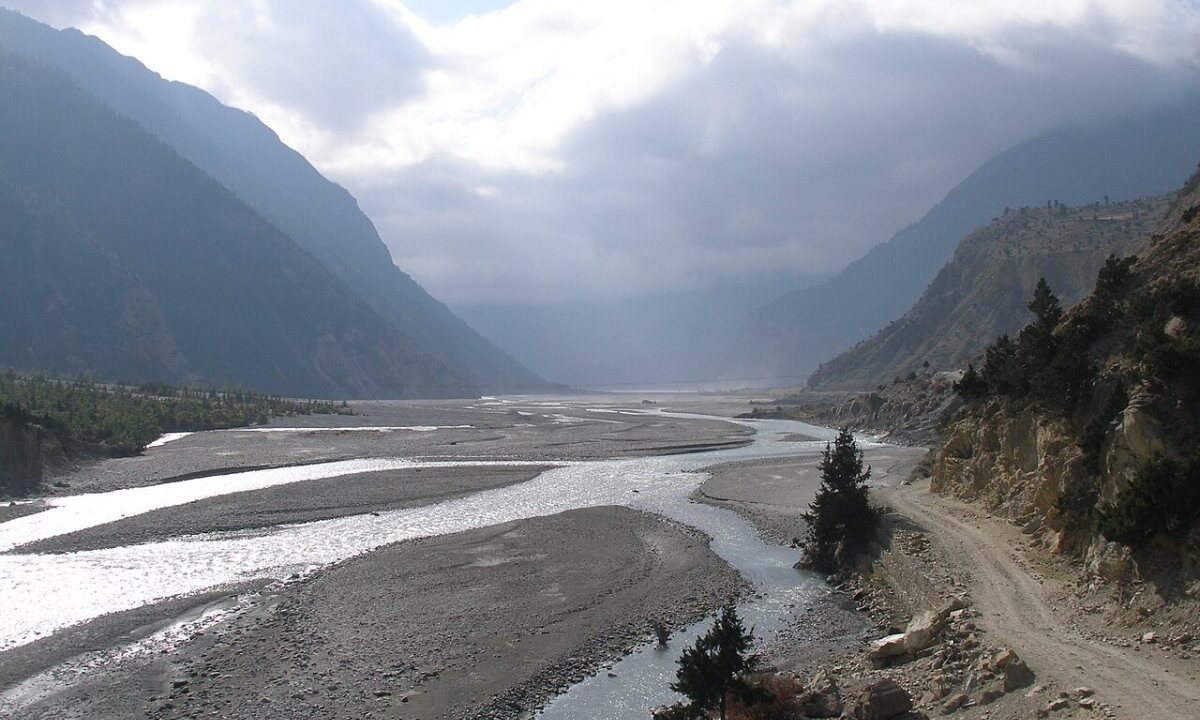
On 26 August a huge mass of rock and ice broke off near the Lende river in Tibet, bordering Nepal, and plunged into the river, sending a surge of water, mud and rock into Nepal. The International Centre for Integrated Mountain Development (ICIMOD) put the mass at about 132 million cubic metres, while Nepalese authorities recorded 1,451 deaths and 5,745 missing, with damage to homes, markets, hydropower plants and roads.
Hawaii: rain at 3,000% of normal
In March two successive Kona low storms dropped more than two trillion gallons on Hawaii over about two weeks, according to the University of Hawaii, enough to fill about 3 million Olympic pools, with rainfall in places reaching 3,000% of normal and gusts of about 218km/h. In August Hurricane Lala dumped 32.1 inches in a single day at a station on the Big Island.
Spain and Portugal
In October the town of Pego in Alicante recorded 663.8 litres per square metre in 37 hours during Storm Adam, close to a full year’s rain, according to Copernicus. On 10-11 November Madeira recorded 502.7mm in 24 hours during Storm Charles, breaking its 2023 record, while 183 flights were cancelled in Lisbon and 155 in Madrid.
The lesson
These events show that the most dangerous disasters can arise from simultaneous factors, such as ice collapsing in mountains, rain on saturated soil or extreme rainfall concentrated in a few hours, making monitoring and early warning the first line of defence.
Source: ICIMOD, University of Hawaii, Copernicus, IPMA, Youm7