The Climate Risk Index 2027, published by the environmental organisation Germanwatch, found that the world saw 367 extreme weather events in 2025, killing about 35,000 people, affecting more than 100 million others and causing direct economic losses of over $158bn (about €143bn).
Who was hit hardest?
Jamaica and Sri Lanka ranked first and second, with Spain third, followed by Thailand, the Philippines and Pakistan, while France, Italy and Romania entered the 20 worst-affected countries, a sign that rich countries are no longer spared the human cost of climate change.
Spain: heat kills, forests burn
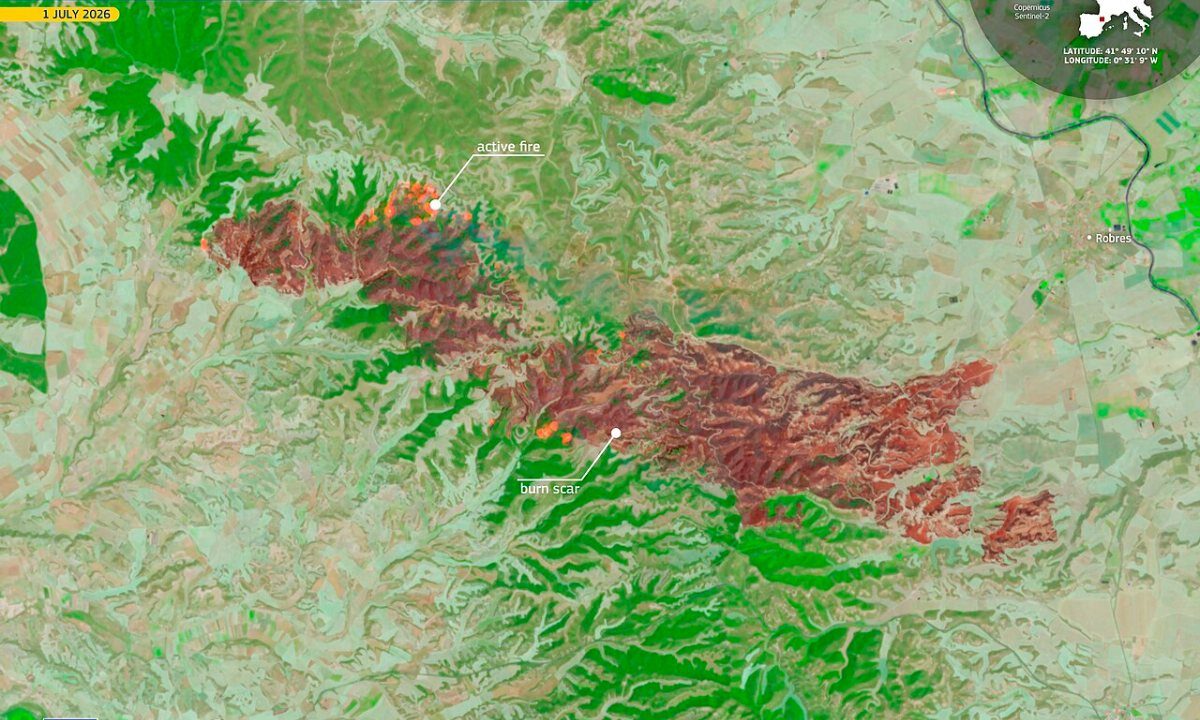
Spain recorded seven major extreme events in 2025, the deadliest a heatwave from April to September with temperatures reaching 46C that officially caused about 3,900 deaths. Summer 2025 was the hottest on record, 2.1C above the 1991-2020 average, before summer 2026 surpassed it. The country also had its worst fire season in three decades, with about 382,607 hectares burned according to the European Forest Fire Information System, about one and a half times the size of Luxembourg.
What it means for us
The figures show heatwaves are among the most dangerous events for public health, increasing heart and respiratory disease, kidney failure and diabetes complications, with older people, children and those in poor housing most at risk. For countries such as Egypt, adaptation plans, from early warning to cooling cities and protecting workers in the heat, are no longer a luxury but a health and economic necessity.
Source: Climate Risk Index 2027 (Germanwatch), EFFIS, Youm7