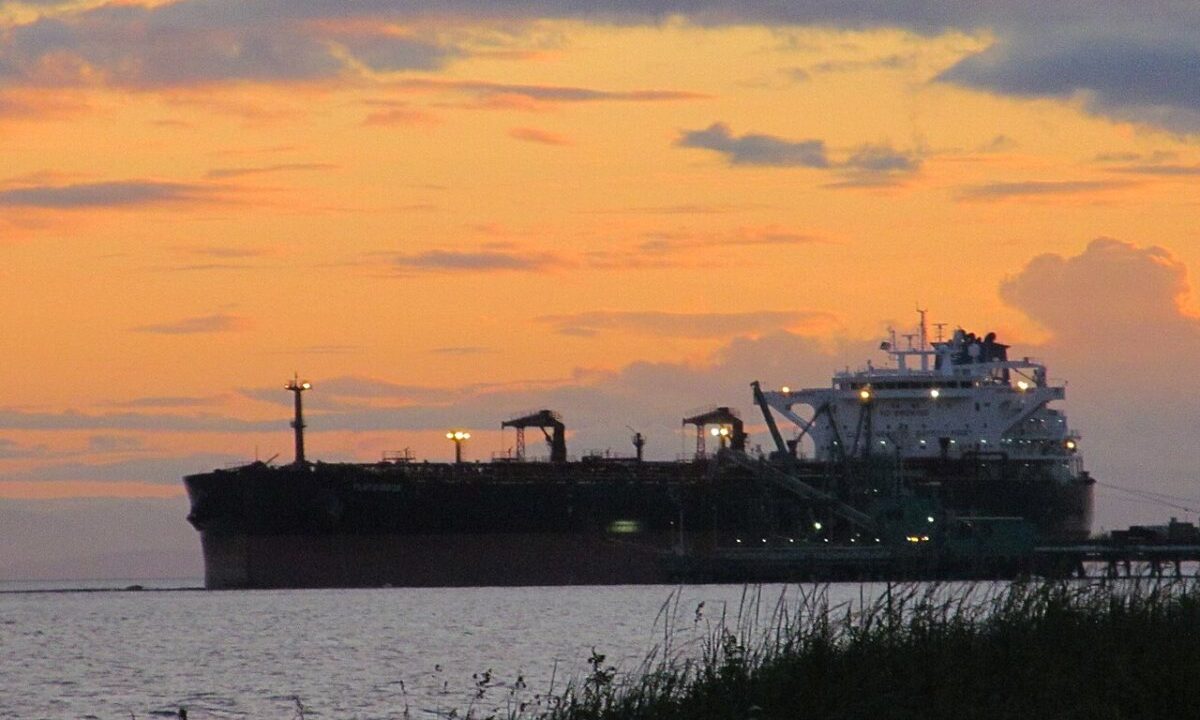
Two attacks on the same tanker in two days near Khasab in Oman, a crew of unknown fate and a fire on board. The news may seem remote to an ordinary citizen in Cairo or Amman, but it is not. A large share of the region’s oil and gas passes through the Strait of Hormuz, and every disruption quickly turns into figures on energy bills.
The price chain
The chain starts with marine insurers raising war-risk premiums, then shipping lines passing costs on to customers, then spot prices for oil and gas. Fuel-importing countries pay twice: once in the cargo price and again in drained foreign currency.
What can be done?
Importing countries do not control the strait’s security, but they have hedging tools: diversifying supply, long-term contracts at more stable prices, larger strategic reserves, and faster renewable energy projects that reduce dependence on shipments through chokepoints.
Diplomacy is cheaper
Above all, continued US-Iran tension leaves the whole region hostage to any incident. Mediation and de-escalation are therefore not a political luxury but direct protection for household budgets before state budgets.
Opinion — the views expressed are the writer’s own.