In the document published by the National Media Authority, the first director of state radio, at the end of its first year, thanks the private stations that came before and says official radio ‘kept the good and added to it’. A simple phrase, but it sums up a healthy philosophy: build on what others achieved rather than erase it.
The radio that brought people together
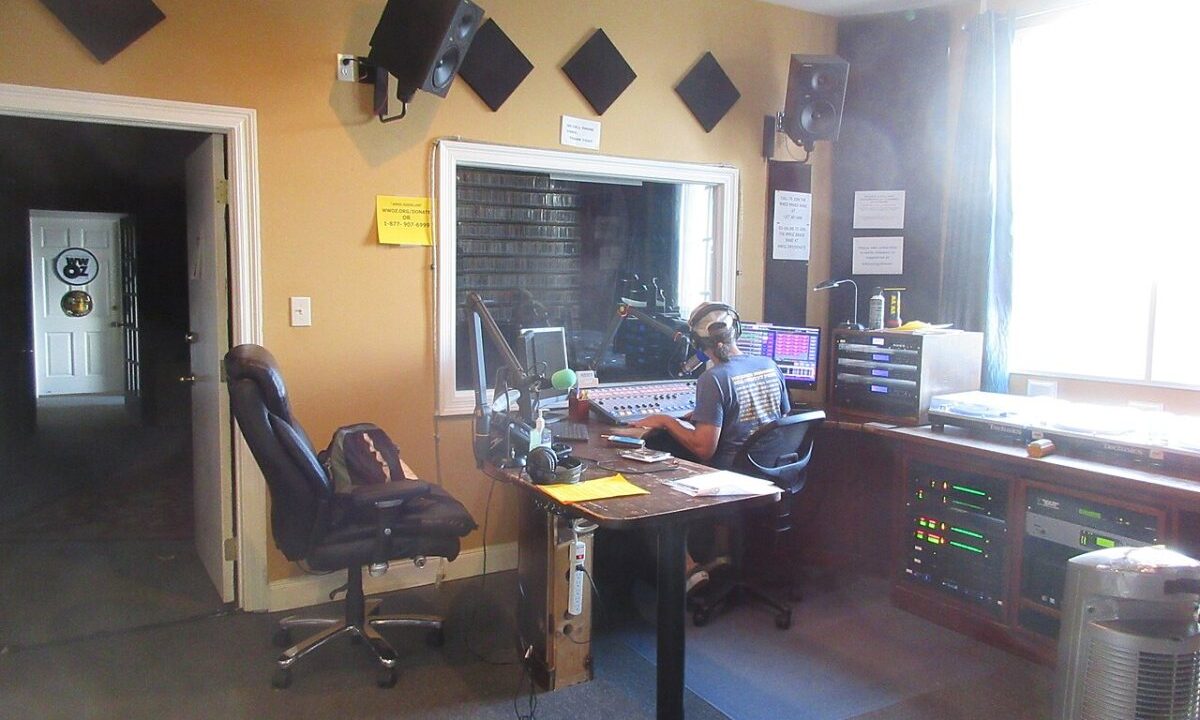
For nearly a century, since the 1926 law and the start of state broadcasting in 1934, Egyptian radio was a shared space: the news bulletin, the Thursday concert, the dawn Quran recitation, the Ramadan radio drama. It knew its audience and knew its task was, as its first director put it, ‘entertainment and culture’ together.
The new challenge
Today the public voice is no longer alone. Algorithms pick for each listener what resembles them, podcasts and platforms offer endless content, and attention has become scarce. In this world public media has a more important role, not a lesser one: to provide reliable information, culture that finds no commercial sponsor, and a shared space that reminds people they are one society.
A celebration worthy of the future
The best way to mark the centenary is not only a gala at Maspero but a plan to digitise radio’s vast archive, produce new audio for a generation listening on phones, and partner with independent creators, as the first state radio did with its predecessors. Nostalgia is lovely, but the public voice survives through renewal.
Opinion — the views expressed are the writer’s own.