Egypt’s ICT ministry has set ambitious targets to 2030: $9bn in digital exports, 30 million locally made phones, 250 AI companies and 1 gigawatt of electricity for data centres. Overall the numbers are not fanciful: the sector has already posted record growth, and Egypt sits on subsea cable routes with young talent working for global markets.
A question not to ignore
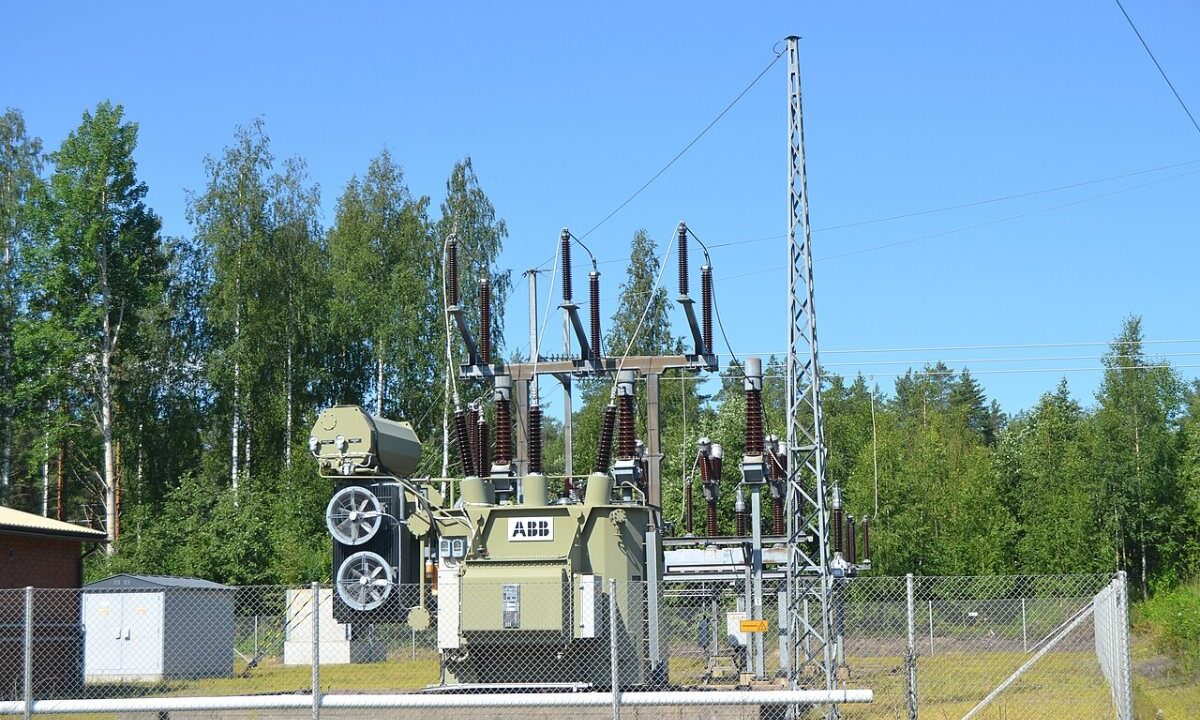
But AI data centres are not ordinary offices. They run around the clock, use large amounts of power and cooling water, and cannot tolerate even minutes of outage. Egyptians lived through rolling blackouts in the summers of 2023 and 2024, and this week heard how an entire town was left without power for days after a transformer fire. People are entitled to ask where the gigawatt will come from and who gets priority when the grid is stretched.
Clean energy is the answer
A convincing answer would tie new data centres to additional solar and wind projects funded by the investors themselves, so they add to the grid rather than draw from it, with fair pricing that reflects real costs without subsidies from household consumers.
Digital sovereignty with conditions
Digital sovereignty is a legitimate goal, but it starts with a stable grid, clear data protection laws and an environment that keeps Egyptian programmers rather than exporting them. Then the gigawatt will be an investment in the future, not a burden on the present.
Opinion — the views expressed are the writer’s own.