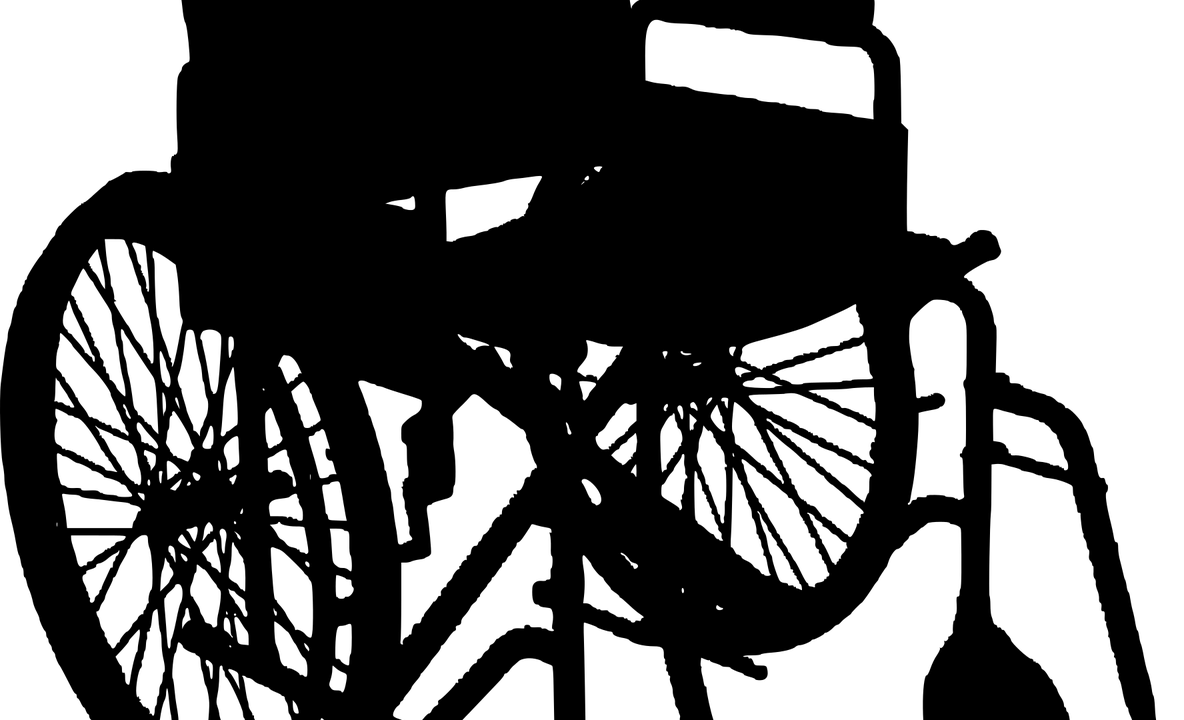
The image of two brothers in Gaza crawling across the sand every morning to reach a tent classroom sums up the tragedy. Not only because their legs cannot carry them, but because the world, for all its announced convoys and pledges, has not provided them with a wheelchair.
What aid lists overlook
Discussions of aid usually focus on trucks of food and fuel, which are undoubtedly essential. But assistive devices, from wheelchairs to crutches and prosthetic limbs, remain at the bottom of the lists and are sometimes treated as items needing special scrutiny. As a result, thousands of people with permanent disabilities, many of them children, live in tents unsuited to their movement.
Winter multiplies everything
As rain and floods hit the camps, sandy ground turns to mud, moving without a wheelchair becomes almost impossible, and tent classrooms close. Unless insulated tents, raised floors and safe learning spaces are provided, the rest of the school year will be lost for children who have already lost years.
What is needed now
Assistive devices should be listed among urgent priorities without obstacles, emergency education programmes funded well enough for warm classrooms, and medical teams working on rehabilitation supported. In Gaza today a wheelchair is not a luxury but the difference between a child who reaches class and one who stays in the tent.
Opinion — the views expressed are the writer’s own.