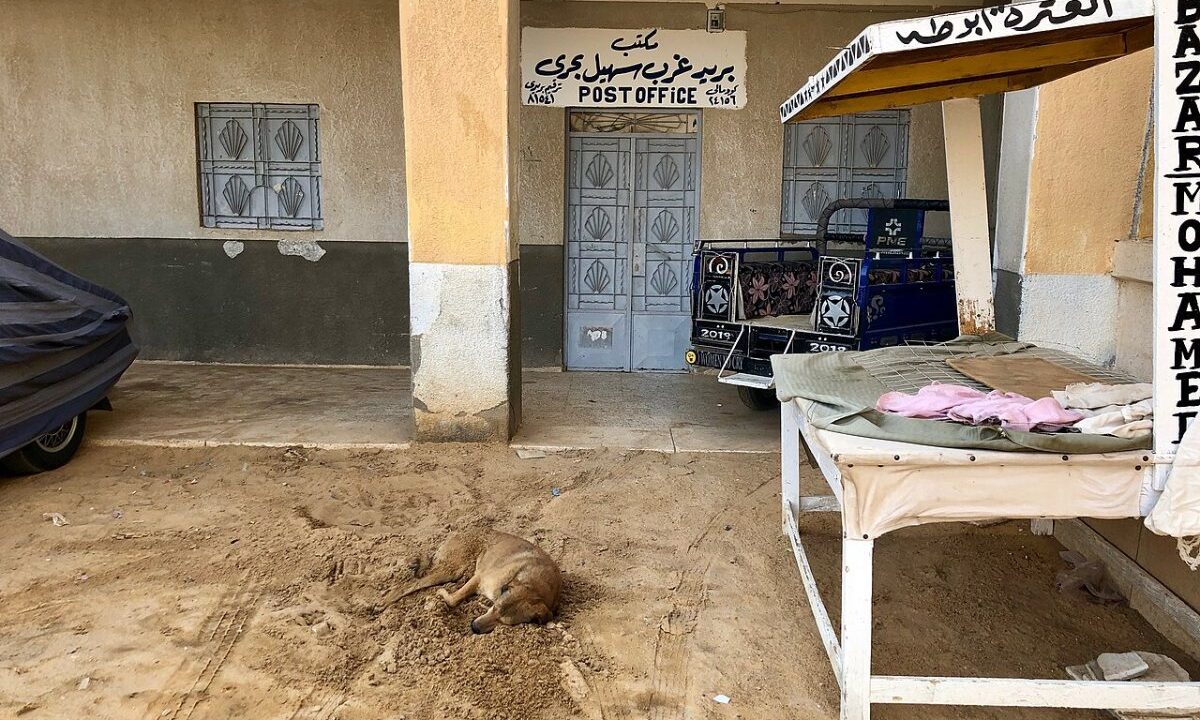
Stray dogs are not a new problem in Cairo, but they have become part of daily conversation: a mother worried about her child on the way to school, a man changing his route at night, and animal lovers fearing random poisoning campaigns. So the governor’s announcement of a phased plan, starting with aggressive dogs and run with animal welfare groups, deserves to be read as the right start.
Why culling fails
Experience in many cities shows that killing dogs empties an area temporarily, before new, younger, less familiar and faster-breeding dogs move in. What works is a three-step formula: catch, then neuter and vaccinate against rabies, then return or shelter, while controlling open food sources such as rubbish dumps.
A state shelter is not enough on its own
The idea of a government-run shelter is good, but no shelter can hold all the capital’s dogs. Its real value is as a centre for neutering, vaccination, treatment and adoption, not an overcrowded warehouse. That is where charities, with their volunteers and expertise, and the veterinary service, with its powers and resources, come in.
Transparency builds trust
The governor promised to review the experiment after a month. That review should be public and in numbers: how many complaints arrived, how many dogs were neutered and vaccinated, and how many bite cases hospitals recorded before and after. Only such figures can convince both sides, the frightened and the animal defenders, that the solution works.
Opinion — the views expressed are the writer’s own.