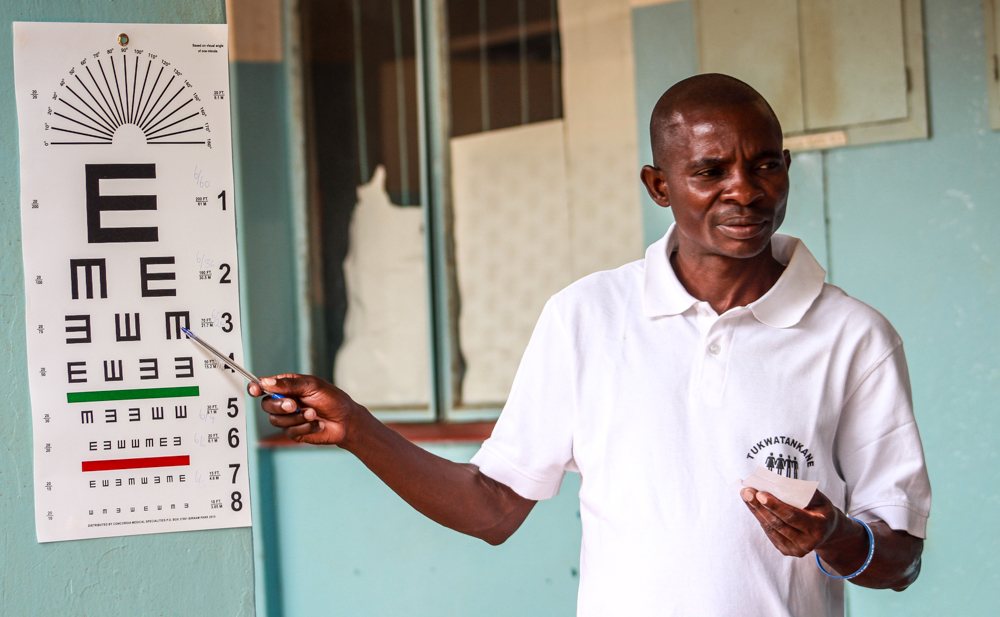
Egypt’s health ministry has announced results and next steps for the presidential initiative ‘Our children’s eyes, our future’, which screens and treats vision problems among primary school pupils, at an event attended by the health, social solidarity and education ministers and several governors.
10 million pupils
Between 2025 and 2027 the initiative aims to screen 10 million pupils in 13,000 rural and urban schools, with 250,000 teachers and 7,000 health visitors taking part, and to provide 60,000 eye drops and one million pairs of glasses to children who need treatment. The ministry spokesman said coverage of urban schools starts this school year, adding two million pupils to the target.
How screening works
Health visitors trained by the initiative’s doctors carry out first-stage eye tests in classrooms using charts and equipment, and the results are collected to identify children who need specialist examination.
Hub schools
Hub schools are equipped as screening and treatment centres, receiving pupils from nearby schools at an average of 40 schools a day with transport arranged, and offering registration, examinations, medicines and glasses, with surgical cases referred onward.
Why it matters
Undetected poor vision in children is linked to lower school performance and reading difficulties, and factors such as long screen time are increasing short-sightedness at this age.
Source: Egyptian Ministry of Health and Population, Youm7