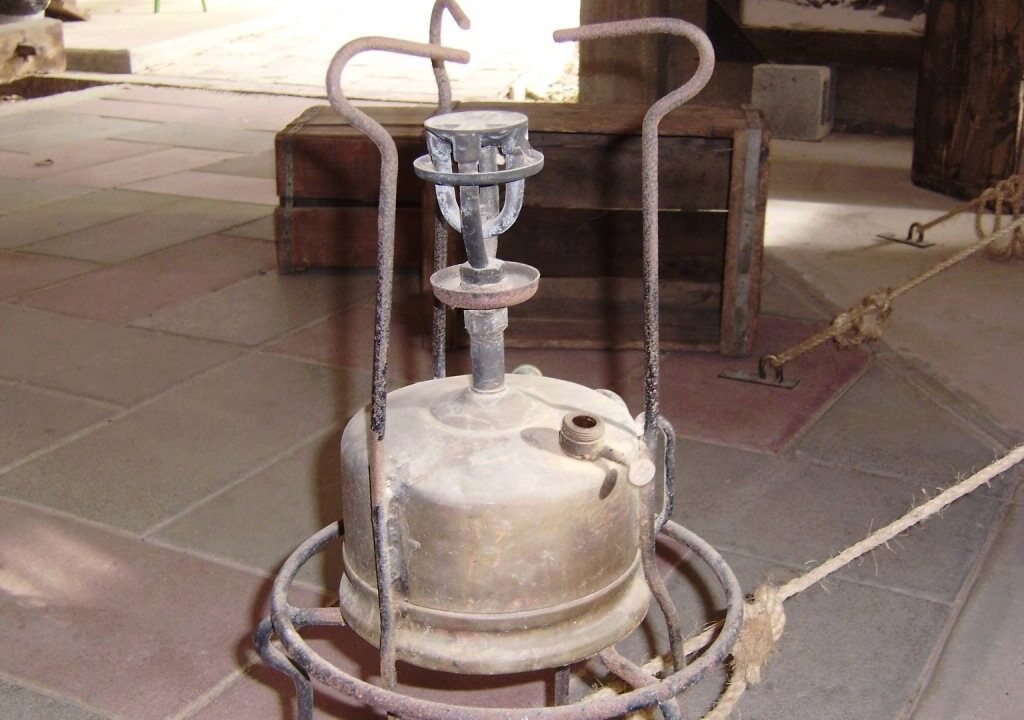
In a modest corner of Khan Younis in southern Gaza, Hassan al-Shanbari, 55, bends over an old kerosene stove, inspecting its rusted brass and iron parts and replacing damaged pieces with others salvaged from the rubble, before testing it with fuel extracted locally from nylon and plastic waste.
Shanbari, who spent years as an administrator and supervisor at the health ministry, never imagined running a makeshift workshop making and repairing stoves. But the war, which drove him from his home town of Beit Hanoun in the north and killed his eldest son, forced him to find a way to support his family.
Cooking gas out of reach
Kerosene stoves have returned to daily life in Gaza because of tight Israeli restrictions on fuel and cooking gas, with quantities entering through the crossings covering only a fraction of needs.
The shortage has created a parallel market with prices beyond most residents, who have lost their incomes: a 12kg gas cylinder now sells for 1,000 to 1,200 shekels on the black market, compared with about 65 shekels before the war, while the limited rations distributed by lists take months to arrive.
Source: Sky News Arabia